How to Choose a Dentist

Choosing a healthcare provider is an important decision. Finding a professional worthy of your trust to treat and prevent illness - perhaps not only for yourself but also for your family - is a task to take seriously, rather than left to chance. Our team at NK Family Dental always emphasizes that dental health is part of overall health. For this reason, we offer the following advice on choosing a dentist - from researching professional credentials to questions to ask during the consultation, and what you need to look for when you visit the office. We’ll also cover “red flags” that indicate the practice you’re considering may not be right for you.

Why Your Choice of Dentist is Important

Your dentist should be more than someone you see twice a year for a cleaning and oral exam or visit when you have a toothache. A good dentist will be your partner in helping you achieve and maintain optimum oral health by recognizing and treating conditions - such as periodontal disease - in their early stages, as well as recommending a regular oral health routine for you to follow at home, based upon your individual situation.

 Dr. Cathy Taylor-Osborne - director of the Kansas Department of Health and Environment’s Bureau of Oral Health — writes the following for MouthHealthy - an oral health information website presented by the American Dental Association (ADA):

“Your dental health is such a vital part of your overall health, so it’s important for every patient to have a dental home. That means there is always someone looking out for the best interest of you and your family.” In this way, having a dental home allows you to feel comfortable when you’re dropping in for a regular visit and provides you with a safe, trusted place to turn for a procedure or dental emergency. Our blog post - “How to Prepare for a Dental Emergency” - highlights the advantage of having a regular dentist to call to receive care as soon as possible.

If you are also seeking a dentist for your child, you may want to find one whose practice includes pediatric (child) dentistry. This is a specialty area for many reasons, and not every dental practice is conducive to treating children. NK Family Dental provides comprehensive pediatric dentistry, giving your child the very best start for a lifetime of excellent oral health in a calming, supportive environment. Most dental practices do not offer specific pediatric treatment. While such a practice can offer high-quality, conscientious treatment for adults, you most likely will need to look elsewhere for a pediatric dentist.

Factors to Consider When Looking for a Dentist

Looking for a new dentist isn’t something you do on a regular basis, so knowing what you need to take into consideration will give you the ability to make a good choice. The following tips are courtesy of MouthHealthy, HealthGrades, and DentistryIQ:

Research credentials — Board certification is one of the most important factors when choosing a dentist. It tells you that the dentist has the necessary training, skills, and experience to provide healthcare in general dentistry. Also, confirm that the dentist has no history of malpractice claims or disciplinary actions. You can find the dentist’s medical school, training hospital, certifications, and malpractice and disciplinary history on Healthgrades.com and state websites.

Look for ADA membership Dentists who are ADA members have agreed to follow the ADA Principles of Ethics and Code of Professional Conduct and made a professional promise to put your health and well-being first. The ADA’s free online Find-A-Dentist tool allows you to search by name, location, and specialty for member dentists.

Read patient reviews — Reading what other people have to say about a dentist can provide insight into how a dentist practices general dentistry, as well as how his or her dental practice is operated. Patient reviews typically reflect people's experience with scheduling appointments, wait times, office environment, and office staff friendliness. You can learn how well patients trust the dentist, how much time he or she spends with their patients, and how well he or she answers questions.

Visit their website and social media accounts A dental practice’s website provides valuable information about services, specialties, and other pertinent facts. For example, you may learn that a dentist is good at putting anxious patients at ease. Active social media accounts indicate that the practice values engaging with patients by sharing news and photos of office activities.

If you have dental insurance, know what your plan covers You chose dental insurance to save money. To receive the most benefits and pay the least out-of-pocket for your care, you may need to choose a dentist who participates in your plan. You should still consider credentials, experience, outcomes, and the quality of the office as you select an in-network dentist.

Schedule a consultation Schedule a consultation time to meet with the dentist and staff before making an appointment. Compile a list of questions and bring your records so the dentist can look at your dental history if you want to ask something specific. You’ll also be able to see if the office is welcoming, comfortable, and neat.

A few questions you might want to ask include:

Look around the office and ask about their technology — The overall impression you get should be of a clean, well-ordered environment. Most offices have intraoral cameras to show you what’s going on in your mouth and digital X-ray equipment. The office should be computerized, instead of using paper charts. We’re getting a little ahead of ourselves here, but old equipment, shabby waiting room furniture, and a general disorganized vibe are signs that you need to continue your search.

Ask what will happen at your new patient appointment - There should be time to talk to the dentist and staff to understand or establish your oral health goals. An office that offers this opportunity is dedicated to providing comprehensive care.

How Not to Choose a Dentist - And Red Flags to Watch Out For 

Convenient location — Your time is valuable, but so is your oral health. The dentist who is closest to your home or office isn’t necessarily the best for you. If, after you’ve done your research and due diligence that turns out to be the case, great! Otherwise, you could be trading the skilled, competent care you need for convenience.

The cost factor Budgets are real, and most people economize wherever and whenever possible. But looking for a bargain in a dentist can not only negatively impact your oral health, but it can also ultimately wind up costing you extra.

As Amanda Hill, BSDH, RDH states for DentistryIQ, “Selecting someone who doesn’t have the expertise you need or someone who only treats issues when they’re true problems - as opposed to looking for the why behind all the cavities you keep getting or the receding gums that cause sensitivity - could, in the long run, cost you time and teeth.

“Often the least expensive dentistry isn’t the most comprehensive; for example, you might have a rather large cavity in a tooth, and while you could put a big filling in it for less money, down the road, that tooth could crack, need a root canal, or worse yet, need to be pulled and an implant placed. So, for the price of an excellent-fitting crown the first time, you could have saved thousands of dollars.”

Because a friend tells you their dentist is “nice” - While rapport is crucial in any relationship with a healthcare provider, “nice” doesn’t always correlate to the quality of care you’ll receive.

“You can ask to see examples of their dentistry; look at before and after pictures and X-rays of recent crowns they have done,” says Hill. “How does their dentistry look to you? Does it look natural or like bright white Chiclets? When you look at an X-ray there shouldn’t be dark spots or ledges around crowns. Ask them to explain what you’re looking at and why they’re exceptional at what they do.”

Watch out for the following As previously mentioned, pay attention to the overall cleanliness and condition of the office. Worn-out furniture could indicate the practice doesn’t have enough patients to be able to afford better. Take note of the attitude of the front desk staff, dental assistants, etc. If they seem overly stressed, rude, or dismissive toward you, working conditions may not be good - or the dentist doesn’t care about the quality of the staff.

Look at the age and condition of equipment, such as the X-ray machine and the dental chair. The dental chair is part of the dental unit, which consists of specific parts that also include the dental chair, stool, lighting, hydric box, aspiration, cuspidor, and other elements. All imaging equipment and the dental unit should be up-to-date and functioning efficiently. If they aren’t, continue your search.

How does the dentist impress you? If he/she doesn’t answer your questions to your satisfaction - or doesn’t want to answer them at all - seems dismissive of your concerns, etc., this particular dentist might not be right for you, even if the reviews you’ve read are mostly positive. Also, note how he/she speaks to the dental assistant and other staff members. Does the dentist treat them in a professional manner, or seem angry, impatient, or annoyed? Your dentist doesn’t have to be your best buddy, but you do need to have a good doctor-patient relationship based on respect. If you don’t feel you get that during the consultation, keep looking.

Last, but certainly not least, you should never feel that you are being pressured to consent to extensive, expensive treatment. This can be a situation in practices that heavily promote cosmetic dentistry. After a consultation and recommendation for crowns or veneers, the patient may be led to a room by someone other than the dentist and given a form to sign consenting to the recommended work - which may cost several thousands of dollars. You need to take the time to consider the proposed treatment, your budget, and your payment plan. Do not sign any form or document before you are comfortable with your decision. If you feel pressured to do so, leave, and find another dentist.

The Take-Home Message

Whether you need to find a new dentist because you’ve just moved, your current dentist is retiring or relocating, or you’re not satisfied with the treatment you’ve been receiving, the process can be less stressful if you know how to go about it. We hope we’ve provided a helpful guide on your journey to connecting with a dentist who will be your trusted partner in caring for your oral health!

Our team of experienced, dedicated dental professionals will help address your oral health concerns, and determine the best solution for you based on your individual situation. We strive to identify treatment options that fit your needs.

We understand that the main concern you may have is cost, which is why we accept all major PPO plans for dental insurance and also offer our in-house dental plan. Please see our financing page for more information.

At NK Family Dental, it is our mission to provide the highest quality and most compassionate oral care to our Chicago patients, including both dental and periodontal services. Our practice is trusted for advanced oral surgery procedures and comfortable root canal treatment.

Our dental specialists include our general dentist, Dr. Nilofer Khan, our endodontist, Dr. Sabek, and our periodontist, Dr. Amir Danesh. Dr. Danesh is a board-certified periodontist and Diplomat of the American Board of Periodontology. He has contributed to the publication of two books, as well as published over 20 papers in prestigious dental research journals.

We serve the neighborhoods of Logan Square, Bucktown, Humboldt Park, and Wicker Park with the dedication that’s earned us the reputation as the Best Dentist in Chicago!

Schedule your visit through ZocDoc, or contact us directly. We look forward to treating you soon! 

Fluoride: Myths and Facts

In 1945, Grand Rapids, MI, became the first community in the world to add fluoride to the municipal water supply in order to help prevent tooth decay. When subsequent studies showed a significantly lower rate of cavities in schoolchildren, water fluoridation spread to other towns and cities - including Chicago. The Centers for Disease Control and Prevention (CDC) considers fluoridation of water one of the greatest achievements in public health in the 20th century.

The CDC provides this succinct explanation of fluoride’s effectiveness:

“Fluoride works by stopping or even reversing the tooth decay process - it keeps tooth enamel strong and solid. Certain bacteria in the mouth cause tooth decay. When a person eats sugar and other refined carbohydrates, these bacteria produce acid that removes minerals from the surface of the tooth. Fluoride helps to remineralize tooth surfaces and prevents cavities from forming.”

Although the benefits of fluoride in cavity prevention are well-established, the need for (and safety of) its addition to drinking water remains a subject of debate. Because we at NK Family Dental believe that well-informed people are better able to make good decisions about their dental and overall health, we present the following myths and facts regarding fluoride.

Fluoride is Not Naturally Present in Water

Fluoride is a mineral that occurs naturally and is released from rocks into the soil, water and air. Almost all water contains some fluoride, but usually not enough to prevent tooth decay. The American Dental Association (ADA) recommends community fluoridation to achieve the level necessary to do so. Its guidelines are available at ADA.org/fluoride. The city of Chicago fluoridates its water to approximately 1.0ppm within the guidelines of the ADA (0.7ppm to 1.2ppm).

All Fluoride is the Same

Fluoride is typically used as a generic term, although the facts are more complex. There are three types of fluoride additives typically used in municipal water supplies. The CDC provides the following breakdown:

To complicate matters, oral hygiene products such as toothpaste contain one of two fluoride compounds: stannous fluoride and sodium fluoride. Stannous fluoride is an antibacterial agent that's clinically proven to protect against gingivitis, plaque and tooth sensitivity, while still protecting against cavities. Sodium fluoride protects against cavities, but doesn't provide protection from these other conditions.

Fluoride can also be prescribed as a liquid, tablet or chewable tablet for children and adults in areas that do not have fluoridated water. As our blog post - “What to Look for in a Toothpaste” - covers, your dentist may recommend a fluoride toothpaste that’s available by prescription only. Prescription fluoride toothpaste contains a higher concentration of fluoride (5000 parts per million) than over-the-counter brands, which is the maximum strength. It’s typically prescribed for patients whose teeth are especially susceptible to cavities - as in the case of weak enamel due to being prescribed tetracycline in childhood - or after periodontal surgery that exposes the roots of the teeth.

Fluoridated Water Isn’t Necessary Because Most Toothpastes Contain Fluoride

Although fluoride toothpaste is very effective in preventing tooth decay, fluoridated water provides extra protection. According to Campaign for Dental Health - a program of the American Academy of Pediatrics - the benefits of water fluoridation build on those from fluoride toothpaste. Fluoride toothpaste alone is not enough, which is why pediatricians and dentists often prescribe fluoride tablets to children living in non-fluoridated areas.

Fluoridated Water Does Not Have an Impact on Tooth Decay

Numerous studies conducted over the years have shown that fluoridation reduces tooth decay. Campaign for Dental Health provides the following:

Fluoride is Harmful to Children

In fact, getting enough fluoride in childhood is critical to strengthening teeth over an entire lifetime. Children need fluoride to strengthen their developing and emerging teeth - which include primary (baby) teeth. The use of fluoride to prevent and control cavities is documented to be both safe and effective. According to the Campaign for Dental Health, a 2010 study confirmed that the fluoridated water consumed as a young child makes the loss of teeth due to decay less likely 40 or 50 years later.

When it comes to brushing with a toothpaste containing fluoride, the ADA's guideline for children under three years of age is to brush using a "smear" of fluoride-containing toothpaste, no larger than the size of a grain of rice. Parents should brush their child’s teeth twice a day, once in the morning and once at night. When your child turns three, the ADA recommends that you continue brushing your child's teeth twice a day, but with a slightly larger portion of fluoride toothpaste, the size of a pea.

Drinking Fluoridated Water Can Cause Fluorosis

Fluorosis is a condition characterized by staining, pitting, and/or surface irregularities of tooth enamel caused by overexposure to fluoride during the first eight years of life. This is the time when most permanent teeth are being formed. The concentration of fluoride added to the drinking water supply is very unlikely to lead to fluorosis. However, this is why it is important to follow the guidelines on the appropriate amount of toothpaste to use for children, to supervise children when brushing, and to teach them not to swallow, but to spit when finished.

Drinking Fluoridated Water Causes Cancer

According to the American Cancer Society, the US Public Health Service issued a report on the benefits and risks of fluoride in 1991. When looking at a possible link with cancer, they first reviewed the results of studies done with lab animals. They concluded that the few studies available “fail[ed] to establish an association between fluoride and cancer.” They also looked at population-based studies, including a large study conducted by the National Cancer Institute. They concluded: “Optimal fluoridation of drinking water does not pose a detectable cancer risk to humans as evidenced by extensive human epidemiological data available to date, including the new studies prepared for this report.”

European Countries Do Not Allow Fluoridation of Their Municipal Water Supplies

European countries do have water fluoridation systems in place. Fluoridated water reaches 12 million Europeans, mostly in Great Britain, Ireland, and Spain. At least 70 million Europeans consume fluoridated salt - which is used to reach most of the population in Germany and Switzerland. These two countries have the lowest rates of tooth decay in Europe.

Ask Your Dentist - Your Trusted Partner in Oral Health

The internet can be a valuable source of information on numerous topics, but credible sources dealing with oral health - or general health - can sometimes be difficult to separate from unreliable sources based on “junk science.”

When you have questions about the safety or effectiveness of any matter relating to oral health, the best person to ask is your dentist. Our team of experienced, dedicated dental professionals will help address your oral health concerns, and determine the best solution for you based on your individual situation. We strive to identify treatment options that fit your needs.

We understand that the main concern you may have is cost, which is why we accept all major PPO plans for dental insurance and also offer our in-house dental plan. Please see our financing page for more information.

At NK Family Dental, it is our mission to provide the highest quality and most compassionate oral care to our Chicago patients, including both dental and periodontal services. Our practice is trusted for advanced oral surgery procedures and comfortable root canal treatment.

Our dental specialists include our general dentist, Dr. Nilofer Khan, our endodontist, Dr. Sabek, and our periodontist, Dr. Amir Danesh. Dr. Danesh is a board-certified periodontist and Diplomat of the American Board of Periodontology. He has contributed to the publication of two books, as well as published over 20 papers in prestigious dental research journals.

We serve the neighborhoods of Logan Square, Bucktown, Humboldt Park, and Wicker Park with the dedication that’s earned us the reputation as the Best Dentist in Chicago!

Schedule your visit through ZocDoc, or contact us directly. We look forward to treating you soon! 

What You Need to Know About Dental Care During Pregnancy

As an expectant mom, you have a lot going on – not the least of which are the physical changes you’re experiencing. While you’re scheduling regular visits with your obstetrician to ensure a healthy pregnancy, be sure you also take care of your oral health during this important time!

Is it Safe to Visit the Dentist During Pregnancy?

Yes! In fact, it’s highly recommended! The American Dental Association (ADA), the American Congress of Obstetricians and Gynecologists and the American Academy of Pediatrics all encourage women to get dental care while pregnant. A study published in the Journal of the American Dental Association (JADA) concluded that it’s safe for pregnant women to undergo dental treatment, including procedures that use local anesthetics. According to the study’s lead author, Aharon Hagai, D.M.D., "[Pregnancy] is a crucial period of time in a woman’s life, and maintaining oral health is directly related to good overall health." 

How Pregnancy Can Affect Your Oral Health

Even if you typically enjoy good oral health, the hormonal changes that pregnancy causes can trigger certain conditions – such as periodontal disease and tender gums that bleed easily – or make some existing conditions worse. Our blog post – “What is Periodontal Gum Disease?” – covers this topic in detail.

Not every woman experiences issues during pregnancy, but you should be aware of the following, provided by MouthHealthy – an ADA website that provides consumer information about oral health topics.

Pregnancy gingivitis – Some women develop a condition known as “pregnancy gingivitis,” an inflammation of the gums that can cause swelling and tenderness. According to WebMD, 40 percent of women will develop gingivitis sometime during their pregnancy. Your gums also may bleed a little when you brush or floss. Left untreated, gingivitis can lead to more serious forms of gum disease. Your dentist may recommend more frequent cleanings to prevent this.

Increased risk of tooth decay Pregnant women may be more prone to cavities for a number of reasons. If you’re eating more carbohydrates than usual, this can cause decay. Morning sickness can increase the amount of acid your mouth is exposed to, which can eat away at the outer covering of your tooth (enamel).

Brushing twice a day and flossing once can also fall by the wayside during pregnancy for many reasons, including morning sickness, a more sensitive gag reflex, tender gums and exhaustion. It’s especially important to keep up your routine, as poor habits during pregnancy have been associated with premature delivery, intrauterine growth restriction, gestational diabetes and preeclampsia.

Pregnancy tumors – In some women, overgrowths of tissue called “pregnancy tumors” appear on the gums, most often during the second trimester. It is not cancer but rather just swelling that happens most often between teeth. They may be related to excess plaque. They bleed easily and have a red, raw-looking raspberry-like appearance. They usually disappear after your baby is born, but if you are concerned, talk to your dentist about removing them.

Why You Should Visit Your Dentist During Pregnancy

Don’t skip your regular dental examination and cleaning because you’re pregnant. As an article by Dental Associates notes, “Your dentist can help discuss changes in oral health during pregnancy and what to look for. There is a connection between your health during pregnancy and your baby’s health, so visiting your dentist during pregnancy is essential.”

When you schedule your appointment, tell the receptionist or scheduler to inform the dentist that you’re pregnant – or think that you might be. If a procedure needs to be performed, tell your dentist the names and dosages of all drugs you are taking – including prenatal vitamins, as well as medications. Also mention any specific medical advice your doctor has given you, as your dental treatment plan may need to be altered.

Also be assured that X-rays can be taken with no risk to you or your baby. Your dentist or hygienist will cover you with a leaded apron that shields the abdomen, and a leaded collar to protect your thyroid. X-rays are important because they can reveal unseen oral health issues that are crucial to diagnose and treat before it affects you and your baby. Because the mouth is the gateway to the body, an infection in the mouth can spread to other parts of your body – including your baby.

Should a filling, root canal or tooth extraction be necessary, the numbing medications used during the procedure are safe. Of course, discuss any concerns you may have with your dentist.

Oral Hygiene During Pregnancy

At-home care is also essential to keeping your mouth healthy! Dental Associates offers the following tips:

By the way, did you know that your baby’s teeth start developing between the third and sixth month of pregnancy? Although they won’t start to erupt until your baby is about six months old, they’re already forming! So by taking care of yourself through proper medical and dental care – as well as good nutrition – you’re already giving your baby a great head start toward a lifetime of good oral health.

The Take-Home Message

While you’re concerned about keeping your baby safe during pregnancy, maintaining good oral health is a very important part of this worthy objective. Keep an eye out for any changes that could indicate an issue, and make an appointment with your dentist as soon as possible. Even if – hopefully – no conditions develop, continue with your regular examination and cleaning schedule.

We understand that the main concern you may have is cost, which is why we accept all major PPO plans for dental insurance and also offer our in-house dental plan. Please see our financing page for more information.

At NK Family Dental, it is our mission to provide the highest quality and most compassionate oral care to our Chicago patients, including both dental and periodontal services. Our dental specialists include our general dentist, Dr. Nilofer Khan, our endodontist, Dr. Sabek, and our periodontist, Dr. Amir Danesh. Dr. Danesh is a board-certified periodontist and Diplomate of the American Board of Periodontology. He has contributed to the publication of two books, as well as published over 20 papers in prestigious dental research journals.

We serve the neighborhoods of Logan Square, Bucktown, Humboldt Park, and Wicker Park with the dedication that’s earned us the reputation as the Best Dentist in Chicago!

Schedule your visit through ZocDoc, or contact us directly. We look forward to treating you soon!

How Can You Tell If It’s A Dental Emergency?

There is never a good time for a dental emergency, but holidays seem to be the worst - especially this year when many of us feel more comfortable attending family and social gatherings and enjoying seasonal activities. However, pent-up demand for fun can increase the risk for cracking or chipping a tooth on foods such as nuts and hard candy, or knocking a tooth loose during a backyard sports competition or overly rambunctious play - which is more likely to happen to children when they’re left to their own devices outdoors. And let’s not overlook the adverse effect that alcohol can have on physical coordination and judgment.

Of course, a holiday dental emergency isn’t always the result of a mishap. An abscessed tooth knows no season - nor do other dental problems that suddenly occur. But the inconvenient timing could make you reluctant to seek the immediate treatment that’s necessary and hope a severe toothache just “goes away” on its own, or a tooth cracked down to the gumline can hang in there until mid-January. Spoiler alerts: It won’t, and it can’t!

We at NK Family Dental understand that you don’t want to interrupt your holiday plans for what may or may not be a dental emergency. With that, we will focus on how to recognize the signs of a dental emergency and what to do if you have one. Keeping calm and knowing what to do can make the difference between escalating a bad situation, or getting treatment that ultimately results in a good outcome.

What is a Dental Emergency?

While a number of dental or oral complications may cause some discomfort, not all can qualify as an emergency. The level of dental care required will be an important factor in determining if your situation is an emergency. Because of this, your dentist will be the one to decide what constitutes a dental emergency - which is even more reason to contact him or her immediately if you feel like you require emergency-level care. Our blog posts - “What Exactly Is a Dental Emergency?” and “How to Know If It’s a Dental Emergency” - cover in detail what is and is not considered a dental emergency. As a refresher, here are some of the most common dental emergencies, according to Cigna and our previous blog posts:

A lost filling or crown is an emergency if you experience any signs of infection, as bacteria can spread to other areas of your body. This can lead to sepsis - a life-threatening infection - if left untreated. Signs of a tooth infection include the following:

Which Situations are Not Dental Emergencies?

Again, only your dentist can make this determination. When you call your dentist’s office and explain your circumstances, your dentist should be able to advise you on whether you need to be seen that day, or schedule an appointment for a later date. Situations that may be considered urgent but not an emergency include the following:

How to Seek Treatment for a Dental Emergency

Your immediate steps depend on many factors, including the nature of your emergency, your dentist’s availability, or your proximity to the nearest dental office. If you are able, call your dentist first to see how they recommend treating the condition and to set up an appointment. Even if it’s after regular business hours, your dentist’s office may have an emergency number you can call to contact an on-call emergency dentist. Calling your dentist first ensures that you will be given the best recommendation for fast treatment.

If you are out of town and far from your dentist, the American Dental Association (ADA) provides the Find a Dentist tool to help you locate dentists nearby.

Do not go to a hospital emergency room unless your condition involves a medical emergency, such as a jaw fracture. Hospital ERs are not equipped to handle a knocked-out tooth, or a severely cracked or abscessed tooth. Our blog post - “So You Lost a Tooth! How to Handle Accidental Tooth Loss” - covers steps for recovering, preserving and transporting a tooth lost to trauma to improve the odds of having it successfully re-implanted by a dentist.


The Take-Home Message

Although a dental emergency is never convenient, experiencing one during the hectic holiday season is even more stressful. Calling your dentist immediately is essential to receiving timely treatment if the situation is a true emergency, or scheduling an appointment if it is urgent but not an immediate threat to your oral or general health. Hopefully, whichever turns out to be the case, you’ll be able to finish the year with a bright, healthy smile - and plenty to smile about!

At NK Family Dental, it is our mission to provide the highest quality and most compassionate oral care to our Chicago patients, including dental, orthodontic, and periodontal services. Our dental specialists include our general dentist, Dr. Nilofer Khan, general dentist associate Dr. Yang, our periodontist, Dr. Amir Danesh, and our endodontist, Dr. Sabek.

We serve the neighborhoods of Logan Square, Bucktown, Humboldt Park, and Wicker Park with the dedication that’s earned us the reputation as the Best Dentist in Chicago!

We understand that the main concern you may have is cost, which is why we accept all major PPO plans for dental insurance and also offer our in-house dental plan. Please see our financing page for more information.

Schedule your visit through ZocDoc, or contact us directly. We look forward to treating you soon!

All About Dental Bridges

Dental bridges are a long-established restoration for missing teeth. While dental implants seem to get most of the attention nowadays, a bridge may still be the best solution to keeping your smile - as well as your ability to chew, should the bridge be used to replace missing molars. A dental bridge is a false tooth (called a pontic) that is held in place by the abutment teeth on either side of the gap. Although pontics can be made from a variety of materials such as gold or alloys, they’re usually made from porcelain to aesthetically blend in with your natural teeth. 

Types of Dental Bridges

Typically, your dentist will discuss the type of restoration that is best for your mouth on both a functional and aesthetic level before removing a tooth. If one or more teeth are lost due to periodontitis or injury, your dentist will evaluate whether you’re a good candidate for a bridge, or need another kind of restoration.

Assuming a bridge is appropriate, your dentist may recommend one of the following types, depending upon the location of the missing tooth. There are four primary types of bridges:

  1. Traditional fixed bridge: This is the most common type of bridge. It includes a crown on either side of the pontic.
  2. Maryland dental bridge or resin-bonded bridge: This is often used to replace front teeth. Instead of crowns, it uses porcelain or metal frameworks with "wings" that are bonded to the back of your teeth on either side of the gap. As with a traditional bridge, a Maryland bridge can only be used when you have a natural tooth on each side of the gap caused by the missing tooth or teeth.
  3. Implant-supported bridge: An implant for each missing tooth is surgically embedded into your jawbone in one procedure. The bridge, which contains the pontics, is placed over them in a later procedure.
  4. Cantilever bridge: This one is no longer commonly used. When only one side of the gap contains a natural tooth, the pontic(s) are anchored by a single crown on that natural tooth.

The implant-supported bridge is considered to be the strongest. However, it does require two surgeries - one to imbed the implants and the second to place the bridge. Factoring in recovery, it can take a few months for the process to be completed. Our blog post - “What Happens During A Dental Implant Surgery” - provides more information.

Why Your Dentist May Recommend a Bridge

If your gums are healthy and the teeth on either side of the gap caused by a missing tooth are strong and cavity-free, they should be able to support a dental bridge. While some people may not see the need for replacing back teeth that don’t show while smiling, restoring missing teeth regardless of their location is necessary for the following reasons:

What You Can Expect During a Dental Bridge Procedure

A dental bridge typically involves two appointments. Cleveland Clinic outlines the basic process for a dental bridge procedure as follows:

The Take-Home Message

A dental bridge can be the ideal solution to restore one or more missing teeth, but the decision should ultimately be reached by a discussion between you and your dentist. 

At NK Family Dental, it is our mission to provide the highest quality and most compassionate oral care to our Chicago patients, including both dental and periodontal services. Our dental specialists include our general dentist, Dr. Nilofer Khan, our periodontist, Dr. Amir Danesh, and our endodontist, Dr. Sabek.

We serve the neighborhoods of Logan Square, Bucktown, Humboldt Park, and Wicker Park with the dedication that’s earned us the reputation as the Best Dentist in Chicago!

We understand that the main concern you may have is cost, which is why we accept all major PPO plans for dental insurance and also offer our in-house dental plan. Please see our financing page for more information.

Schedule your visit through ZocDoc, or contact us directly. We look forward to treating you soon and improving your smile!

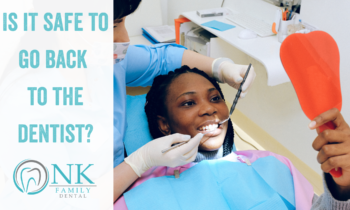
Is It Safe to Go Back to the Dentist?

The COVID-19 pandemic has had a profound effect on every aspect of healthcare – including dentistry. Dental practices were closed except for emergencies during the peak of the pandemic in the spring and summer of 2020. Now as dental offices have reopened, there are numerous news reports about children who are going without preventive dental care because of their parents’ concerns about exposure to COVID-19. This represents a serious problem of its own, as postponing regular visits for dental care can have a negative impact on pediatric oral health, with lifelong consequences.

In addition, adults who remain wary about resuming dental care may actually be putting themselves at risk. Poor oral health is associated with numerous chronic diseases, including heart disease and diabetes. Of course, issues such as decay and periodontal disease will only progress to the point where they become an emergency requiring extensive treatment that can result in tooth loss or even bone infection caused by an untreated abscessed tooth.

To answer our question upfront, it is safe for you and your child to go back to the dentist! NK Family Dental practices CDC-recommended environmental services protocols to ensure that common areas and examination rooms are sanitized and that appointments are scheduled to reduce waiting room occupancy. All of our staff members are fully vaccinated and use the appropriate personal protective equipment.

Are Parents Reluctant to Take Their Children Back to the Dentist?

However, it is important to directly address the concerns of parents to help them feel confident in resuming their child’s dental care. The C.S. Mott Children’s Hospital National Poll on Children’s Health sheds light on the situation. The poll asked a national sample of parents about getting preventive dental care for their children ages 3-18 years during the pandemic. The results are as follow:

In an interview with CNN about the findings of the poll, pediatric dentist and American Dental Association (ADA) spokesperson Dr. Jonathan Shenkin said, "Delays in preventative care could result in kids developing more tooth decay. The problem with tooth decay is that when it starts in childhood, it's really the strongest indicator of risk into adulthood."

Despite fears about the transmission of Covid-19 in dental offices, infection control measures have proved effective in protecting patients and staff. According to a study published in The Journal of the American Dental Association, infection rates among dentists have remained low – which means that parents can book pediatric dental appointments with confidence.

The American Association of Pediatric Dentists (AAPD) recommends that children receive regular teeth cleaning and examination every six months, starting when their first tooth comes in. Regular dental check-ups provide a consistent opportunity for dentists to identify and treat tooth decay before it does too much damage, to apply protective treatments like sealants and fluoride varnish, and to educate parents and children about good dental hygiene.

Unfortunately, there remains a belief that dental care for children who still have only primary teeth is unimportant – or not as important as care for secondary (permanent) teeth – because “baby teeth” fall out anyway. Delaying or neglecting dental care for primary teeth can have detrimental long-term effects. Dr. Kim H. Nguyen, the owner of Mint Dental, Yorba Linda, CA, identifies these issues as follows:

Orthodontic

Untreated cavities can result in early tooth loss, leaving prolonged empty spaces. This becomes a problem when the adult tooth is not ready to come through and occupy the space. The empty spaces will allow neighboring teeth to shift and naturally fill or take up the vacancies. This becomes a problem once the adult tooth is ready to erupt, as there will not be adequate space for the tooth and the adult tooth becomes misaligned. The misalignment of one tooth also impacts adjacent teeth as the mouth tries to adjust, creating a domino effect. Orthodontic treatment may be needed to correct the bite and alignment of the teeth.

Infection

Cavities are caused by bacteria in the mouth. As the bacteria grows and multiplies, it will migrate below the gums, causing infection of the underlying adult tooth that is still in the development stage. This infection is called an abscess and is very painful for the child. Other problems include delay or prevention of the developing adult tooth from erupting, and extraction of the tooth is required. Even if the underlying adult tooth survives, it may be malformed, discolored, or permanently stained.

Some Good News About Oral Health Self-Care for Children

There was some good news in the poll cited earlier: Parents reported making changes to improve their child’s oral health habits during the pandemic, including more frequent brushing (16%), flossing (11%), and use of fluoride rinse (9%), and less drinking of sugary beverages (15%). Overall, 28% of parents reported their child has made at least one positive change, including more parents of children with Medicaid (37%) or no dental coverage (32%) compared to private dental insurance (24%).

Staying Healthy During the Pandemic

Good oral health plays a major role in maintaining good overall health. Adults and children need to visit the dentist at least twice a year for examination and cleaning. If you have concerns, ask your dentist about the safety protocols that his or her practice follows. As we’ve covered in this blog post, delaying care for yourself or your child can have serious consequences in many areas. It is safe to go back to the dentist!

Need a Chicago Dentist?

If you or your child – or both of you, or the entire family – is ready to resume regular dental care, our experienced, compassionate team at NK Family Dental is ready to welcome you! Our dental specialists include our general dentist, Dr. Nilofer Khan, our periodontist, Dr. Amir Danesh, and our endodontist, Dr. Sabek. We serve the neighborhoods of Logan Square, Bucktown, Humboldt Park, and Wicker Park with the dedication that’s earned us the reputation as the Best Dentist in Chicago!

Schedule your visit through ZocDoc, or contact us directly. We look forward to treating you soon!

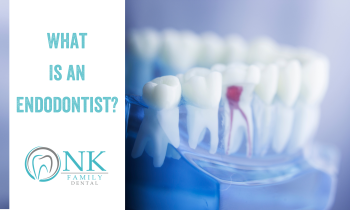
What Is an Endodontist?

Everyone knows what a dentist is, but have you ever heard of an endodontist? Often, a dental specialist will be referred to by the branch of dentistry they focus on and have specialized training in. Examples of these specialist titles include endodontist, periodontist and orthodontist. So, what is an endodontist? To answer that question, we’ll first need to answer the question of what is endodontics as a branch of dentistry. Then, we’ll look at the comparisons between a general dentist and an endodontist, followed by covering the different types of treatment that endodontists provide, such as root canal treatment.

Keep reading to learn everything you need to know about endodontists!

First, What Is Endodontics?

According to the American Dental Association, endodontics is defined as “the branch of dentistry concerning dental pulp and tissues surrounding the roots of a tooth.” The word comes from the Greek words of “endo” (meaning “inside”) and “odont” (meaning “tooth”). Dental treatment that falls under endodontics focuses on the inside part of teeth, which is known as the pulp tissue.

An endodontist is a dentist who then specializes in endodontics by pursuing two more years of training in the specialty after dental school. They typically provide treatments such as root canals, endodontic surgeries or special dental procedures to help preserve teeth that are in danger of extraction as the result of disease or a traumatic dental injury. Endodontists use advanced tools and techniques to improve the efficiency of and recovery from these procedures.

Dentist vs. Endodontist

As we briefly mentioned, an endodontist is a type of dentist. The main difference between a dentist and an endodontist comes down to training and a more focused specialization. The American Association of Endodontics refers to endodontists as “Specialists in Saving Teeth,” which is an apt description of what they do! Despite the necessity of endodontists, fewer than three percent of dentists become endodontists. This means that those who do are highly skilled at the treatment they provide.

Dentists and endodontists share the same initial training in the four years of dental school. Then, endodontists go on to study dental pulp diseases and treatment practices over the course of an additional two to three years of training. While a dentist might perform a wide variety of dental treatments throughout a week, endodontists will focus primarily on root canals, performing an average of 25 weekly root canals in addition to other pulp-related treatments.

Root Canals and Other Treatment

While endodontists perform root canals, they provide other treatments for dental issues that fall under the umbrella of endodontics. So, what exactly does an endodontist do? Your dentist will likely refer you to an endodontist if you have experienced damage to the interior of a tooth (also known as the pulp) or to the root. This damage can be caused by tooth decay, injury from physical trauma to the teeth, a tooth abscess or a cracked tooth.

Treatments that endodontists provide include:

Symptoms such as persistent tooth pain, unexplainable pain in your jaw or mouth, swelling of the gums, or sensitive teeth to hot/cold temperatures or sweets could be signs that you need endodontic treatment. Seek immediate treatment if you experience signs of infection - such as a fever, difficulty breathing or swallowing, or redness or swelling between the mouth and the cheek. The sooner you are able to see an endodontist for treatment, the better your chances will be of preserving your tooth and maintaining your overall health.

Need a Chicago Endodontist?

Do you need a Chicago endodontist in the neighborhoods of Logan Square, Bucktown, Humboldt Park or Wicker Park? NK Family Dental is here for you. Our dental specialists include our General Dentist Dr. Khan, our periodontist Dr. Danesh, and our endodontist Dr. Sabek. From root canal treatment to your other dental needs, our staff strives to provide the most compassionate and high-quality dental care in Chicago.

Schedule an appointment today with us through ZocDoc, or contact us if you have any questions about our offices, services or staff.

How to Get Immediate Toothache Relief

Tooth pain is no walk in the park. Whether it’s persistent or comes and goes at times, a toothache is still a toothache - and it requires immediate attention. Naturally, the first thing on your mind when you experience a toothache is wondering how you can make it go away. While some toothaches can easily be soothed by simple remedies, others could be the sign of a serious oral condition.

Getting immediate relief will depend on the accompanying signs and severity of your tooth pain. To make sure you receive the best dental treatment as soon as possible, we’ve put together a list of the most common toothache causes, information on first-aid and safe home remedies for toothaches, and details on when you should see a dentist.


The Most Common Toothache Causes

Because the teeth are very sensitive, there are many common causes of toothaches. While only your dentist can officially diagnose what’s causing your toothache, knowing the signs and symptoms of the most basic causes can help you determine what immediate toothache relief steps you should take. 

Some of the most common toothache causes include:

As we covered in our previous blog post “What Your Toothache Could Mean,” other causes of toothache can include losing a filling or an impacted tooth (generally wisdom teeth). A toothache could also be a sign of many other serious health conditions, so it’s important to talk with both your dentist and your doctor if you are experiencing more symptoms than just tooth pain.


First-Aid and Safe Home Remedies for Toothaches

So, what should you do as soon as you notice your toothache? Fortunately, there are a number of easy steps you can take on your own as toothache remedies or to at least manage the pain or discomfort until you can see your dentist.

The Mayo Clinic recommends a handful of self-care tips when it comes to toothache first-aid.

First, try rinsing your mouth with warm water to remove any debris and to gently soothe your tooth. You may additionally want to try rinsing your mouth with warm saltwater to ease the tooth pain even more. If you suspect food or plaque may be contributing to your toothache, try gently flossing between your teeth. Over-the-counter (OTC) pain relievers can help manage the tooth pain, however, aspirin or other painkillers should never be directly applied to your gums, as it could burn your gum issues. For toothaches due to trauma, use a cold compress on the outside of your cheek to calm or prevent swelling.

Never use an OTC antiseptic product with benzocaine before first talking with your dentist and/or doctor. While rare, benzocaine has been linked to a serious and sometimes deadly condition known as methemoglobinemia, which causes a dangerous decrease in how much oxygen your blood can carry. Aside from talking to your dentist or doctor first, be sure to not use any products with benzocaine in children younger than two years old, never use more than the recommended amount of a product with benzocaine, and always store such products securely and out of reach from children.

While home remedies can help ease your tooth pain, only seeing a dentist for treatment can help make your toothache go away for good.


When to See a Dentist

No matter the severity of your tooth pain, you should always contact your dentist when you experience a toothache. Discussing the symptoms and other accompanying signs will help your dentist determine the urgency of your toothache. Signs of a dental emergency accompanying a toothache include persistent pain for more than 24-28 hours, a fever, difficulting breathing or swallowing, or signs of infection (swelling, pain when biting, inflamed gums or foul-tasting discharge from the area of the toothache). Other signs of a dental emergency can be found in our blog post here, while information on how to prepare for a dental emergency can be found here

Your dentist may recommend a variety of different treatment options depending on the cause of your toothache. Treatment can range from a simple filling to seeing a specialist for root canal treatment or gum disease treatment.


Find Toothache Relief in Bucktown, Chicago

Do you need a dentist near Bucktown or the neighborhoods of Logan Square, Wicker Park or Humboldt Park in Chicago? NK Family Dental is here for you to provide toothache relief! From general dentistry services provided by Dr. Khan, to our root canal specialist Dr. Sabek, to our periodontist and dental implant specialist Dr. Danesh, your oral needs will be in the most trained and compassionate care.

For dental emergencies, please see our emergency exam option. All other appointments can be made through ZocDoc or by contacting us directly.

Long-Term Benefits of Wisdom Teeth Removal

If you’re experiencing pain or discomfort due to impacted wisdom teeth, then the immediate benefits of wisdom teeth removal are clear. For anyone who may not be experiencing discomfort but has been told by a dentist that you should consider having some or all of your wisdom teeth extracted, you may be more curious about the long-term benefits of removal. Extracting wisdom teeth thankfully has both short-term and long-term benefits for dental patients who require it. For Chicago residents looking for dental treatment in Bucktown, Wicker Park, Logan Square or Humboldt Park, NK Family Dental is here for your needs - including wisdom teeth removal.

Keep reading to learn what your dentist will look for to determine if you need your wisdom teeth removed, the reasons for and the benefits of wisdom teeth removal, and about any potential risks from the procedure.

What Your Dentist Will Look For

It’s important to first know the signs of wisdom teeth complications for patients and dentists alike. Aside from pain or pressure in your jaw or in the back of your mouth, there are many other signs your dentist will look for or ask you about to determine if your wisdom teeth will cause long-term problems if not removed. Pain or discomfort doesn’t occur in every person who faces wisdom teeth problems, after all!

Mouth Healthy from the American Dental Association lists some of the following wisdom teeth complication signs your dentist will look for:

Aside from checking for these signs, your dentist will also likely ask you to describe any pain, pressure or discomfort you may be feeling near the back of your jaw. If there are enough signs pointing to needing wisdom teeth removal, your dentist will also likely take dental X-rays to get a clear look at the position of your wisdom teeth. This will allow your dentist to see any potential or current damage from your wisdom teeth to your other teeth or jaw. From there, your dentist will advise a treatment plan, which may include seeing an oral surgeon if your dentist does not perform extractions for impacted wisdom teeth.

Reasons for and Benefits of Wisdom Teeth Removal

Regardless if you feel like they are causing an issue or not, wisdom teeth removal is necessary for many people for their long-term oral health. 

Some important reasons to get your wisdom teeth removed include:

Simply put, the benefits are clear. In the long-term, wisdom teeth removal, when necessary, can maintain and improve your oral health by decreasing the risk of pain, infection, tooth damage, crowding of the teeth, the undoing of any previous dental work, developing dental cysts or tumors, and gum disease - as well as by making it easier to keep up thorough oral hygiene.

If your dentist recommends having your wisdom teeth extracted, it’s best to consider removal as soon as possible. The longer you wait to get your wisdom teeth out, the greater these dental and oral risks become. Your mouth will thank you later!

Are There Any Risks?

Of course, it’s always important to weigh the risks and benefits of any medical and dental procedure before making any final decisions about treatment. The benefits of wisdom teeth removal are clear, but are there any risks? Wisdom teeth removal is still a form of oral surgery, after all.

In regards to wisdom teeth extraction, the Mayo Clinic states that “most wisdom tooth extractions don't result in long-term complications.”

While complications are rare and minimal, a few potential risks to note are:

For more information on the wisdom teeth removal process, see our previous blog post, “Wisdom Teeth Removal: When You Need It and How to Prepare.”

Save Your Mouth with Wisdom Teeth Removal

If you’re experiencing oral pain or discomfort and suspect it might be due to your wisdom teeth, don’t wait a second longer to see a dentist. Earlier treatment means earlier and long-term relief. Looking for a dentist near Bucktown, Wicker Park, Logan Square or Humboldt Park in Chicago? NK Family Dental offers safe oral surgery treatments, including wisdom teeth removal, for eligible patients.

Learn more about our experienced doctors and dental services, and schedule your next dental appointment today! 

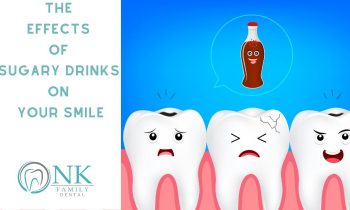
The Effects of Sugary Drinks on Your Smile

It’s the eternal debate. Do you call it soda or pop? Here in Chicago, most of us call it pop, but you’re more likely to call it soda if you’re from the South. Just as there are many colloquial terms for soda pop, the effects of those carbonated sugary drinks on your smile also come in many forms. Our NK Family Dental team wants you to improve your oral health by learning how sugary drinks like pop can wear down your tooth enamel, how to better moderate your pop intake and why it’s important to stay properly hydrated.

Wearing Down Enamel

Sugary soft drinks have not only been found as a crucial link to obesity in recent studies, but they have also been found as a crucial link to tooth wear in adults. Published in 2019 by a group of researchers from King’s College London, the study, “Obesity and tooth wear among American adults: the role of sugar-sweetened acidic drinks,” concluded that sugary beverages like pop are the leading cause of tooth decay in both the protective enamel and soft dentine layers of obese patients, who are already at a higher risk for type 2 diabetes.

However, you should be concerned about your enamel regardless of your weight and body fat percentage. After all, once your enamel has worn away, that’s it. You are then at risk for serious tooth decay.

So, how do sugary drinks wear down your enamel? What happens is a chemical reaction in which the bacteria in your mouth produce an acid after interacting with sugar. Every sip causes a new reaction lasting up to 20 minutes, during which your enamel is worn down. Therefore, drinking pop all day long will give your mouth no break from the acidity. Think you can switch to diet pop instead? Unfortunately, many chemicals in diet soft drinks also cause similar acidic reactions in your mouth. Once the acid penetrates your enamel, the dentin layer is attacked - resulting in cavities and damage to composite fillings.

Drinking Pop in Moderation

What can you do to reduce your risk of cavities? The first step is simple: cutting back. Unfortunately, our bodies quickly get used to, and dependent on, consuming large amounts of sugar on a daily basis, which makes going cold turkey very hard. Try moderation instead by first going down to just one pop a day. If you get a pop with your fast food meal or out at a restaurant, you might also want to skip those free refills (as tempting as they may be). While even one sugary pop a day can cause damage, it’s not nearly as bad as multiple per day. Start with small steps, then work your way toward less frequent consumption.

In addition to drinking pop in moderation, other steps you can take to help your dental health include:


Staying Hydrated the Right Way

Cutting back on your pop consumption may have you worried about feeling tired during the day. After all, your body has likely grown acclimated to the daily amounts of sugar and caffeine, but this withdrawal of your favorite sugary drinks doesn’t mean you have to suffer headaches and fatigue. Keep up your energy and stay hydrated the right way by drinking plenty of water.

You may think you are tired without your usual sugar and caffeine, but a lack of water is actually one of the top causes of daytime fatigue. Drinking at least eight glasses of water per day can result in a drastic increase of energy. When it comes to your oral health, water is the best thing you can drink to keep acidity levels in your mouth low, thus preventing cavities. It may take some time to consciously drink plenty of water during the day, but keeping at it will result in a new and more healthy habit.

Protect Your Teeth with Help from Your Dentist

Aside from drinking fewer sugary soft drinks and drinking more water, the final best step you can take to improve your oral health is to see your dentist. Semi-annual checkups and cleanings are vital to avoiding advanced tooth decay and other oral problems. Our founder and owner, Dr. Nilofer Khan and our partner periodontist, Dr. Waeil Elmisalati, both provide the highest-quality dental, orthodontic and periodontic care, backed by many years of education, certifications and ongoing training. Learn more about our other dental services, including oral surgery and periodontics treatment. Then, contact us to schedule an appointment.