
What Does a Periodontist Do?

Hopefully, you’re conscientious about your oral health and visit your dentist twice a year for an examination and teeth cleaning. While you’re familiar with the treatments a dentist provides – as well as the procedures they perform – your dentist may diagnose a condition that requires referring you to a periodontist. Although this may sound somewhat foreboding, it is actually a positive, as your dentist is ensuring you receive the appropriate care for your diagnosis.

First, What is Periodontics?

Periodontics is the branch of dentistry that focuses on the health of your gums and jawbone, as well as the tissues that support your teeth - such as the periodontal ligaments (fibrous joints that connect the tooth to the dental socket), and the cementum, which connects the tooth to the jaw by anchoring it to the periodontal ligament. 

If you want to impress your friends, you can tell them that the term “periodontics” is a combination of two Greek words: “Peri,” which means “around” - and “Odons,”meaning “tooth.”

What are the Differences Between a Periodontist and a Dentist?

A periodontist is a dentist who specializes in the prevention, diagnosis, and treatment of periodontal disease (a chronic inflammatory disease that affects the gums and bone supporting the teeth - also known as gum disease), and in the placement of dental implants. Periodontists receive extensive training in both of these areas and more, including three additional years of education beyond dental school.

While general dentists treat early cases of periodontal disease - such as gingivitis - they may refer their patients to a periodontist for treatment of advanced cases. Likewise, general dentists are trained and licensed to place dental implants. The ideal situation for a general dentist to do so is when the patient has a healthy jawbone and gums, does not require a bone graft, and the tooth hasn't been missing for a long time. Typically, however, a general dentist will refer patients to a periodontist.

Procedures a Periodontist Performs

The following are procedures that only a periodontist can perform:

Osseous surgery — Also known as dental pocket reduction surgery or periodontal flap surgery, this procedure is performed to treat advanced gum disease. It involves accessing the roots of the teeth and removing any infected tissue, cleaning out bacteria-filled pockets, and reshaping the bone around the teeth.

According to Periodontal Center of Excellence, “The main goal of osseous surgery is to eliminate deep periodontal pockets and reduce their depth so that proper oral hygiene practices become more effective in maintaining healthy gums and preventing further progression of gum disease.”

Bone graft — This procedure is sometimes performed in preparation for a dental implant. If the jawbone is not thick enough to support an implant, a bone graft can increase it. When a tooth is missing or in the case of severe gum disease, the jawbone deteriorates. A bone graft procedure involves surgically placing bone graft material under the gums on top of the existing bone. This fortifies the jawbone and helps it to regenerate. Once this process is complete and the bone has had time to grow, a dental implant can be placed. Our blog post - “Why You May Need a Dental Bone Graft” - covers this topic in detail.

Gum graft This procedure may be necessary if the gums have receded too far away from the teeth. Receding gums allow the tooth root to be exposed, which can cause sensitivity and loss of bone support. This procedure involves removing tissue from another area of the mouth and grafting it over the roots of the teeth where the gum tissue has receded to permanently cover and protect the roots.

Although as mentioned earlier, a general dentist can place dental implants if the patient has no complicating factors, the American Academy of Periodontology (AAP) states that periodontists are dentistry’s experts in the surgical placement of dental implants.

“Within the dental profession, periodontists are known as the experts of both hard tissue (teeth and bones) and soft tissue (gums, cheeks, etc.). Placing a successful dental implant requires extensive knowledge of both tissue types. Placing a dental implant is a surgical procedure, and the extra three years of education periodontists receive beyond dental school includes in-depth surgical training that most general dentists don’t receive.”

According to the AAP, here are some possible reasons a periodontist might be required to place your dental implants:

The Take-Home Message

A periodontist is a dental specialist who has the additional education and training to diagnose and treat periodontal disease, as well as conditions that affect the tissues and bones that support the teeth. A general dentist will typically also refer patients who need a dental implant to a periodontist.

Although a dentist’s preferred periodontist could have his/her own practice in a different location, NK Family Dental is privileged to have one of the nation’s leading periodontists under our own roof. Dr. Amir Danesh is a board-certified periodontist and Diplomat of the American Board of Periodontology. He also is a member of the AAP,  the American Dental Association (ADA), the Chicago Dental Society, both the American and International Association for Dental Research, the International Association for Orthodontics, and the American Orthodontics Society.

A reviewer and editorial member of many professional scientific journals, Dr. Danesh has made several oral and poster presentations at national and international meetings, and has contributed to the publication of two books, as well as published more than 20 papers in prestigious dental research journals.

Dr. Danesh is instrumental to our mission to provide the highest quality and most compassionate oral care to our Chicago patients. Our practice is trusted for advanced oral surgery procedures and comfortable root canal treatment.

Our team of experienced, dedicated dental professionals will help address your oral health concerns, and determine the best solution for you based on your individual situation. We strive to identify treatment options that fit your needs.

In addition to Dr. Danesh, our dental specialists include our general dentist, Dr. Nilofer Khan, and our endodontist, Dr. Al-Sabek. Please visit our website’s Meet the Doctors page to learn about all of our accomplished dental staff members.

We serve the neighborhoods of Logan Square, Bucktown, Humboldt Park, and Wicker Park with the dedication that’s earned us the reputation as the Best Dentist in Chicago!

We understand that the main concern you may have is cost, which is why we accept all major PPO plans for dental insurance and also offer our in-house dental plan. Please see our financing page for more information.

Schedule your visit through ZocDoc, or contact us directly. We look forward to treating you soon!

What to Expect with IV Sedation

Whether you’re not particularly fond of needles or the dentist, both can be necessary for receiving proper dental care for the sake of your oral health and overall health. Fortunately, dentists are trained to provide many solutions to help manage pain and ease anxiety in patients who require more extensive dental treatment. One of these solutions is IV (intravenous) sedation. IV sedation can be used for a number of dental procedures, such as oral surgery and wisdom teeth removal. While you will need to consult with your dentist about whether you are a candidate for IV sedation, we will help you understand the basics - including what IV sedation is, the levels of IV sedation and how IV sedation works with wisdom teeth removal.

What Is IV Sedation in Dentistry?

IV sedation - also known as conscious sedation - is a middle-of-the-road type of sedation that makes you less aware of the procedure without making you completely unconscious, as does general anesthesia. The Australasian Medical Journal (AMJ) notes that IV sedation is generally used for patients with high levels of dental anxiety. A trained dentist can administer this form of sedation quickly with the ability to effectively adjust the dosage as needed. However, it’s important to ensure that your dentist is trained in IV sedation before any procedure, as not every dentist office will be able to provide this option. 

As the name implies, IV sedation is administered intravenously, which means through a vein. During your dental procedure with IV sedation, you may be conscious enough to perform basic commands and give simple responses to your dentist. You can expect to be able to still breathe on your own with IV sedation, and your heart rate won’t need to be monitored during the procedure. 

Levels of IV Sedation

In combination with the sedation, you might also be intravenously given an analgesic - a medication for pain relief, or analgesia. Using IV sedation with an analgesic may be the case for more intensive oral procedures, such as wisdom teeth removal. The patient may experience drowsiness from analgesia, but will not be completely unconscious even with stronger IV sedation. It’s important to remember that an analgesic is not always used in combination with sedation, so you will need to discuss the details of your procedure and sedation with your dentist beforehand.

The American Society of Anesthesiologists lists multiple levels of IV sedation that a patient may receive depending on their level of anxiety and the nature of the dental procedure. The primary levels include:

In addition to the type of dental procedure you will be receiving, your age, medical history and level of anxiety will also affect the level of IV sedation your dentist will use - if he or she chooses to use IV sedation at all. You may be a better candidate for a different sedation method, such as inhaled or oral sedation.

IV Sedation and Wisdom Teeth Removal

Because wisdom teeth removal is a more involved type of oral surgery, deep IV sedation is the most common type used. While general anesthesia puts patients into a total unconscious state, it comes at higher risk and needs to be administered by a licensed anesthesiologist, and the facility must have hospital-grade monitoring equipment. Again, not every dental office can offer general anesthesia, and this type of sedation is appropriate for only certain cases - such as patients with autism.

IV sedation works as a form of local sedation to make patients more relaxed and less aware of stressors during the procedure. As previously discussed, IV sedation can be combined with an analgesic. Administering both sedation and an analgesic intravenously can be very effective for making a patient relaxed and less aware during an intense procedure like wisdom teeth removal. 

Average recovery time after IV sedation is relatively quick. Most people “come to” almost immediately after removal of the IV line, but will remain groggy for several hours after. For this reason, your dentist will tell you to have someone drive you to and from the appointment, and if possible stay with you until the sedative wears off. You should not prepare food or perform household chores that day, as your reflexes and judgement will be affected. You may also be told to not make major purchases or sign legal documents. If you’re employed, you’ll need to take the day off.

Overall, IV sedation is a relatively safe way for dentists to help patients relax during wisdom teeth removal or other oral surgery. Like all medical treatments, however, you will need to consult with your doctor and your dentist before choosing the right form of sedation and medical treatment, depending on any underlying medical conditions you may have.

As a patient, you have a right to ask and check for the following points with your dentist regarding IV sedation before wisdom teeth removal or any procedure:

To learn more about wisdom teeth removal, see our blog post, “Is It Really Necessary to Remove Wisdom Teeth?

Qualified and Compassionate Dental Care in Chicago

If you’re in need of a complex dental procedure such as oral surgery or wisdom teeth removal, NK Family Dental is here for you with quality, compassionate care in Bucktown and Logan Square, Chicago. Our dentist, Dr. Nilofer Khan, and our periodontist, Dr. Waeil Elmisalati, have both completed extensive education and training in order to provide the highest level of care to all patients. Learn more about Dr. Khan and Dr. Elmisalati’s qualifications and passion for dentistry, as well as about our dental services - and contact us today with questions or to schedule your next dental appointment!

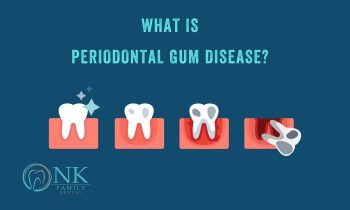
What Is Periodontal Gum Disease?

When you go to the dentist, you may only be thinking about the health of your teeth - but did you know your gums are equally as important to your oral health and your overall health? Poor oral hygiene can result in gum disease and many dental conditions, but it isn’t the only cause of gum disease. Therefore, it’s important to know your risk for developing gum disease, how to recognize the signs and what your treatment options may be. Fortunately, there are many ways to improve your oral hygiene and gum health both at home and with the help of an experienced periodontist

Could You Have Gum Disease?

Even if you brush your teeth every day, you could still be at risk for developing gum disease, leading to effects such as tooth decay and tooth loss. In fact, most Americans don’t even know they have gum disease. While oral hygiene - which includes properly brushing your teeth at least twice daily and properly flossing at least once - can play a large role in whether you develop gum disease, there are also many potential causes not related to oral hygiene. Other causes of gum disease may include genetics and family history, hormones (particularly in pregnant women), stress, medical conditions (such as AIDS or cancer), medications that cause dry mouth, or smoking tobacco products.

How Can I Recognize Periodontal Disease?

Gum disease develops in different stages, with two primary stages: gingivitis and periodontitis, also known as advanced gum disease. The term periodontal disease is a broader way of referring to all forms of gum disease, including both gingivitis and periodontitis. Under the gum disease stage of periodontitis, there are three more categories: chronic periodontitis, aggressive periodontitis and necrotizing periodontitis.

Knowing the signs and symptoms of the different phases of periodontal gum disease is the first step to getting treatment. Gum disease as a whole is caused by an infection from buildup of bacteria that harms the gums and bones that support your teeth, which eventually causes swelling, inflammation and bleeding gums. At its worst, gum disease can lead to tooth loss and erosion of supporting bone structures. Gum disease has also been linked to other health conditions, including heart disease, stroke, diabetes and some cancers.


Signs and symptoms include the following:

With these signs and symptoms of periodontal disease in mind, let’s take a look at the stages of gum disease that they could indicate:

Know Your Treatment Options

Periodontal treatment will vary depending on your individual case and your stage of gum disease, and may include both surgical and nonsurgical methods. Your dentist and dental hygienist may be able to treat very early-stage gum disease, but more advanced stages will require the treatment of a periodontist. To learn more about this specialty, read our blog post, “Signs You Need a Periodontist.”

The Mayo Clinic lists the following common periodontal treatments:

Nonsurgical Treatments:

Surgical Treatments:

The Take-home Message

Conscientious oral health practices are the best way to prevent periodontal disease. We hope that our offices - and those of our colleagues - will soon be able to reopen. Because visiting our office for routine semi-annual dental examinations and cleanings is not currently possible, being responsible for your own oral health is now more important than ever. Incorporate the following into your oral health routine:

To learn more about how you can keep your gums healthy, we also recommend our NK Family Dental blog post, “How Can I Keep My Gums Healthy?

Chicago Dental and Periodontal Treatment

At NK Family Dental, it is our mission to provide the highest quality and most compassionate oral care to our Chicago patients, including both dental and periodontal services. We are proud to have Dr. Waeil Elmisalati as our practicing periodontal partner, who is rated by patients as the number one periodontist in Chicago on RateMDs.com.

While elective dental appointments are currently postponed due to COVID-19, we are still accepting emergency dental patients at our NK Family Dental office. During these times, we urge patients with signs of gum disease to follow good oral hygiene practices at home and to call us regarding questions or concerns. For emergency conditions related to periodontal disease such as sudden tooth loss, we recommend calling the office to discuss the potential for an emergency dental appointment or other treatment recommendations.

If you have a dental emergency, contact us immediately to set up your NK Family Dental Emergency Exam. Your oral health is important, and our staff is committed to providing essential care during this time.

How Can I Keep My Gums Healthy?

We often think about keeping our teeth healthy, as we all should. But, do you ever think about your gums? They may seem like the soft protection around your teeth roots, but keeping your gums healthy is vital to keeping your teeth and the rest of your body healthy. In other words, your gums are just one more example that oral health is overall health. Last month, we discussed what can be done about receding gums. This month, we’re taking a look at how to detect gum disease, how to keep your gums healthy and what treatment options are available.

Signs of Gum Disease

Gum disease, also known as periodontal disease, is not something that shows up overnight. Developing gum disease is a slow process, starting with gingivitis and progressing to advanced periodontitis, with many potential contributing factors. Essentially, gum disease is an infection in your gums caused by the buildup of plaque and bacteria, which can then lead to gum recession, damage to the bone supporting your teeth and tooth loss. Gum disease has additionally been linked to an increased risk for heart disease and low birth weights in newborns.

According to the American Dental Association (ADA), signs of gum disease may include:


You may be at a higher risk for developing gum disease if you:


If you are experiencing one or any of the signs of gum disease, it’s important to see a dentist or a periodontist as soon as possible to discuss your condition and treatment options. It’s also important to remember that you may not even experience any pain during the early stage of gum disease, so pay close attention to the other signs your mouth may be giving you that it’s time to see the dentist.

Read more about what a periodontist does and the signs of periodontal disease in our other blog post, “Signs You Need a Periodontist.”

How Can I Get My Gums Back on Track?

Making an appointment with an experienced dentist or periodontist is the first step to getting your gums back on track if you have any signs of gum disease. There, you can discuss and receive treatment. However, preventative action is the best step of all when it comes to keeping gum disease at bay. Everyone can and should improve gum health, whether or not you are experiencing signs of gum disease, through oral hygiene and other routine practices.

The core of improving gum health and preventing gum disease is by thoroughly brushing your teeth and your gums twice a day in order to remove plaque and bad bacteria. Be sure to follow these steps for brushing:


Other ways you can keep your gums healthy include:


Are Periodontal Diseases Reversible?

Yes, but it really depends on the stage of your gum disease and how you classify “reversible.” Gingivitis and early gum disease can usually be reversed by going to your dentist for cleanings and keeping up with a thorough oral hygiene routine. However, more advanced periodontitis will require more extensive treatments, which can treat and stop further gum disease, but may not be able to save damage already done. It all depends on your individual case, which is why it’s important to see an experienced periodontist for treatment.

As for some periodontal treatment options, we discussed the following treatments for gum recession in our blog post, “Can Anything Be Done about Receding Gums?”:


Periodontal surgery will likely be required for very advanced cases in order to rebuild your gums and protect your teeth and bone from further decay. After treatment, keeping up your gum health will largely be up to you through your daily oral care routine and sticking to your regular dentist appointments.

Your Gums Deserve the Best

Only a periodontist, a dentist who specializes in periodontics (the study and treatment of gums and supporting bones), can provide the best treatment. NK Family Dental is honored to have periodontist Dr. Waeil Elmisalati as one of our practicing partners. Not only is Dr. Waeil extensively trained and experienced in the field of periodontics, but he is also rated by patients as the #1 periodontist in Chicago on RateMDs.com! To schedule your next dentist or periodontist appointment with NK Family Dental, call us today or book online with ZocDoc.

Can Anything Be Done about Receding Gums?

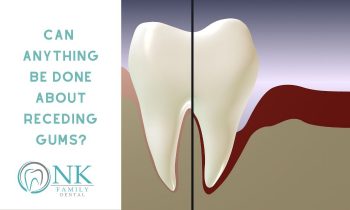
Have you noticed your teeth looking a little different in the mirror lately, like they might be showing more at the gumline than they should? It could be that you are experiencing gum recession. When detected early, gum recession can be treated and even reversed with the help of periodontics. Periodontics is a subcategory of dentistry primarily focusing on the gums and the bone supporting the teeth. There are many potential causes of gum recession, and each is treated differently. Let us help you better understand the effects, causes and available treatment options.

How Bad Could It Be?

First, what exactly is gum recession? WebMD defines the condition as follows:

Gum recession is the process in which the margin of the gum tissue that surrounds the teeth wears away, or pulls back, exposing more of the tooth, or the tooth's root. When gum recession occurs, "pockets," or gaps, form between the teeth and gum line, making it easy for disease-causing bacteria to build up. If left untreated, the supporting tissue and bone structures of the teeth can be severely damaged, and may ultimately result in tooth loss.”

Receding gums can be insidious, as the recession is so gradual you may not notice. The first sign is usually tooth sensitivity, or you may notice that a tooth looks longer than normal. Typically, a notch can be felt near the gum line. It could be that only one or a few teeth are affected, or the tissue around all teeth is receding. Gum recession needs to be treated as soon as possible. Left untreated, the exposed roots are susceptible to decay - which can lead to tooth loss.

What Causes Gum Recession?

There are many causes of gum recession, some of which can be prevented and others that cannot. Causes of gum recession may include:


Periodontal disease is the most common cause of gum recession, which itself is generally caused by plaque and bacteria resulting from poor dental hygiene. As we discussed in our blog post, “Signs You Need a Periodontist,” periodontal disease occurs in progressive stages that begin with gingivitis and, left untreated, end in tooth loss.

Treatments for Gum Recession

A periodontist will be able to provide options for treating your gum recession according to the severity of your case. Your dentist or periodontist will teach you proper brushing technique if overly vigorous brushing is the only cause. Other causes, however, are likely to require some form of treatment, which include the following:


If your gum recession is advanced, a gum graft procedure may be recommended. This is a type of dental surgery, but there is no reason to feel anxious over it. A periodontist will ensure the procedure is quick and painless, whether performing connective tissue grafts, free gingival grafts or pedicle (lateral) grafts. After receiving a gum graft, some mild pain and discomfort may occur while the graft sites heal, but the recovery process typically takes only one to two weeks. Of course, your healing will greatly depend on how well you follow your periodontist’s post-surgery instructions.

For gum recession treatment you can trust, choose NK Family Dental. We are honored to have Dr. Waeil Elmisalati as one of our practicing partners, rated as the top periodontist in Chicago by RateMDs.com. Read more about our periodontal and other dental services, and schedule your appointment with us today.