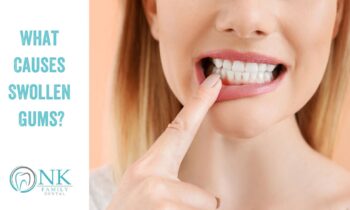
What Causes Swollen Gums?

Your regular tooth brushing routine could reveal an unpleasant surprise if you notice that your gums look somewhat puffy and more red than usual. As most people don’t want to consider a serious condition as the cause, you may be inclined to wait and see what happens, hoping your gums will return to normal within the next day or so.

To cut to the chase, the best case scenario is that you simply have a hard piece of food (like a popcorn hull) caught between back teeth set very closely together and wedged against the gumline. Flossing to remove the irritant will immediately relieve the issue. However, if you floss daily (which you should), this typically wouldn’t have enough time to cause a problem and you’d be likely to feel the sensation of something between your teeth.

However unsettling as it may be, swollen gums far more often than not indicate a condition that needs the attention of your dentist. As Personal Care Dentistry points out, “Swelling anywhere in the body is not normal, and is actually a red flag to alert you that something is going on and needs to be addressed.” So forget about wishful thinking. Make an appointment a.s.a.p. for diagnosis and treatment! Yet the question remains, what causes swollen gums, and how can you keep your gums healthy?

Common Symptoms of Swollen Gums

Healthy gums are a light pink or coral color, are smooth and flat along the gumline, and have pointed papilla (small protrusions) between each tooth. Swollen or inflamed gums have the following symptoms:

Common Causes of Swollen Gums

The primary cause of gum inflammation is plaque, also known as biofilm. As our blog post Types of Gum Disease covers, plaque forms on your teeth when starches and sugars in food interact with bacteria normally found in your mouth. Brushing your teeth twice a day and flossing once a day removes plaque, but it very quickly forms again. Swollen gums typically indicate gingivitis which is the first stage of periodontal disease. If left untreated, gingivitis develops into periodontitis, which can result in bone infection and ultimately tooth loss.

According to Colgate, older age, stress, obesity, tobacco use and genetics can increase your risk of inflamed gums and by extension, gingivitis. Other common causes include the following:

Abscessed tooth As Cleveland Clinic defines it, a tooth abscess is a pocket of pus from a bacterial infection in your gums. An abscess usually looks like a red, swollen bump, boil or pimple. It affects the involved tooth, but can also spread to surrounding bone and neighboring teeth. Abscesses can occur in different places around a tooth for different reasons.

Medications If you've recently started a new prescription medication and are noticing gum issues, talk to your doctor. It could be a side effect from your medicine.

Different toothpaste or mouthwash If you've recently switched brands, you may be having a reaction.

Poor nutrition An unbalanced diet that lacks fruits and vegetables sets you up for vitamin deficiencies that lead to periodontal disease and many other health issues. A vitamin C deficiency can cause inflamed gums if you're not getting your recommended daily dose.

Pregnancy Swollen, inflamed and sensitive gums are common during pregnancy due to hormone changes. Our blog post What You Need to Know About Dental Care During Pregnancy covers this topic in greater detail.

Fitted dental appliances and dental restorations Braces, retainers and dentures may cause swollen or sore gums. Likewise for crowns or bridges if dental cement becomes caught under the gumline. However, a conscientious dentist will check carefully when placing a restoration to make sure the cement doesn’t migrate to other areas.

How to Help Relieve and Prevent Swollen Gums

As mentioned earlier, unless you have a piece of food irritating your gums, you will need to schedule an appointment with your dentist. Only an examination can diagnose the cause, which will lead to appropriate treatment. If the dental examination doesn’t reveal a cause or indicates a medical condition you may be referred to make an appointment with your primary healthcare provider.

Also as mentioned earlier, plaque which soon hardens into tartar is the main cause of swollen gums. The longer plaque and tartar remain on your teeth, the more damage they can do. You can’t get rid of tartar by brushing and flossing. Only a professional dental cleaning can remove it. If not removed, tartar sets up conditions for gingivitis.

As the old saying goes, an ounce of prevention is worth a pound of cure! Here are the fundamental steps to prevent swollen gums and the gingivitis they tend to indicate:

Practice good oral hygiene - Brush your teeth for two minutes at least twice daily - in the morning and before going to bed - and floss at least once a day. If possible, brush after every meal or snack. Flossing before you brush allows you to clean away the loosened food particles and bacteria.

Schedule regular dental visits - See your dentist or dental hygienist regularly for cleanings, usually every six months. If you have risk factors that increase your chance of developing periodontitis, you may need professional cleaning more frequently. Annual dental X-rays can help identify diseases that are not seen by a visual dental examination and monitor for changes in your oral health.

Follow healthy practices - Leading a lifestyle that includes healthy eating and managing blood sugar if you have diabetes also are important to maintaining gum health. Drinking enough water every day, getting enough sleep and minimizing stress are other keys to a healthy lifestyle, which makes for a more robust immune system.

The Take-Home Message

Swollen gums indicate a condition that needs to be taken seriously and diagnosed as soon as possible so treatment can be delivered in a timely manner to prevent advanced periodontal disease or the worsening of another medical condition. Fortunately, prevention is easy by following good oral health and lifestyle practices.

 At NK Family Dental, it is our mission to provide the highest quality and most compassionate oral care to our Chicago patients, including both dental and periodontal services. Our practice is trusted for advanced oral surgery procedures and comfortable root canal treatment.

Our team of experienced, dedicated dental professionals will help address your oral health concerns, and determine the best solution for you based on your individual situation. We strive to identify treatment options that fit your needs.

Our dental specialists include our general dentist, Dr. Nilofer Khan, our endodontist, Dr. Sabek, and our periodontist, Dr. Amir Danesh. Dr. Danesh is a board-certified periodontist and Diplomat of the American Board of Periodontology. He has contributed to the publication of two books, as well as published over 20 papers in prestigious dental research journals.

We serve the neighborhoods of Logan Square, Bucktown, Humboldt Park, and Wicker Park with the dedication that’s earned us the reputation as the Best Dentist in Chicago!

We understand that the main concern you may have is cost, which is why we accept all major PPO plans for dental insurance and also offer our in-house dental plan. Please see our financing page for more information.

Schedule your visit through ZocDoc, or contact us directly. We look forward to treating you soon!

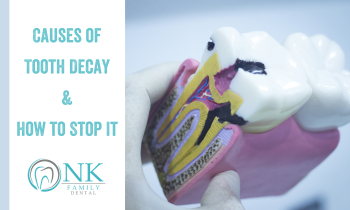
Causes of Tooth Decay & How to Stop It

As much as we’d like for it to be so, our teeth are, unfortunately, not designed to last forever. Tooth decay will affect every one of us at some point or another. However, there are many actions you can take to prevent it!You may be aware that tooth decay can cause cavities, but do you know what causes tooth decay in the first place, or what other oral results occur due to decay? In this latest dental blog, we’re helping you understand the common causes and results of tooth decay, how your gums play an important part, and how to prevent tooth decay.

Common Causes and Results

The National Institute of Dental and Craniofacial Research defines tooth decay, also known as dental caries, as “damage to a tooth that can happen when decay-causing bacteria in your mouth make acids that attack the tooth’s surface, or enamel.” When the surface of your teeth become worn down by bacteria and acids, a cavity can develop. Anyone from children to senior adults can develop tooth decay for a variety of reasons.

Starches and sugars in your diet react with decay-causing bacteria to form acids that attack the enamel, or outer layer of your teeth, which causes a breakdown of important minerals that help keep your teeth strong. Consuming food and drinks high in starches and sugars put your teeth at greatest risk for more frequent attacks on your enamel from these acids.

Foods to avoid or consume in moderation, always followed by proper oral care, include - but are not limited to —  sugary cereals, pop or other sugary drinks, hard candy, dried fruits and cookies. Tobacco products should also be avoided.

Over time, plaque will develop from the bacteria and cling to the enamel of your teeth, further wearing them down. This process eventually leads to cavities when the enamel is completely worn away.

Other causes of cavities and tooth decay include dry mouth, not maintaining proper oral hygiene and certain medical conditions. When your mouth is dry and experiences a lack of saliva, bacteria and plaque buildup do not wash away as easily, causing a faster buildup of that same plaque and bacteria. Not maintaining proper oral hygiene such as brushing and flossing your teeth daily and in the correct manner can also speed up the development of bacteria, acids and plaque. Finally, some medical conditions or treatments can promote tooth decay. These include conditions and medications that cause dry mouth, as well as some radiation treatments for cancer that change the chemical makeup of saliva which encourages an increase in oral bacterial growth.

So, what happens when you have tooth decay? Untreated tooth decay can lead to tooth pain, infection or, at the most extreme, permanent tooth loss. You may experience a toothache, pressure when chewing or biting, or tooth sensitivity to cold, hot or even sweet food or drink. Signs of an infection from tooth decay include the development of an abscess that can lead to pain, fever or swelling of the face. An infected oral abscess is considered a dental emergency, and you should contact your dentist as soon as you develop signs of an infection.

To detect a cavity and signs of tooth decay, your dentist will examine your teeth for any sticky or soft areas, as well as likely take x-rays to detect any cavities and areas of decay not visible to the naked eye.

What About Your Gums?

Tooth decay and cavities affect your teeth - but your gums also play an important role! Buildup of bacterial plaque causes both gum disease and tooth decay. So, the same sticky plaque full of bacteria and acids that breaks down enamel also irritates your gum line and causes it to recede. This happens when plaque hardens over time into what is known as tartar, which makes it even easier for bacteria to grow.

Gum disease comes in many stages, starting with gingivitis. Plaque built up near your gums will cause them to become irritated, inflamed, swollen or to bleed easily. Further progression of plaque and tartar will lead to bacteria reaching underneath the gum line and attacking the supporting structures of your teeth which keep them in place. This advanced gum disease is known as periodontitis. To learn more about the relationship between tooth decay and gum disease, read our blog post, “What Is Periodontal Gum Disease?

How to Stop Tooth Decay

The best way to stop tooth decay is to prevent it in the first place. Fortunately, most tooth decay is easily preventable. Here are the three primary ways you can prevent tooth decay:

  1. Maintain properly daily oral hygiene. - At minimum, thoroughly brush your teeth twice per day with a fluoridated toothpaste. You should also floss at least once per day and use a mouthwash after every time you brush.
  2. Watch what you eat and drink. - As previously mentioned, sugary food and drinks like pop make it much easier for bacteria and plaque to build up in your mouth. In general, aim for a balanced diet with limited intake of food and drinks high in starches and sugars. Snacking between meals should also be kept to a minimum.
  3. See your dentist regularly for routine check-ups. - Daily oral hygiene is important, but our teeth still need professional cleanings by a dentist to remain as clean and healthy as possible. Seeing your dentist semi-annually ensures that plaque and tartar buildup are removed and that any cavities or other oral conditions can be diagnosed and treated.

Once tooth decay has caused a cavity to form, the emphasis of treatment changes from prevention to restoration. This is because cavities are irreversible. The only option is for the dentist to repair the tooth by cleaning out the affected area and providing a filling after the decayed part of your tooth has been removed. The filling consists of a strong material compatible with your tooth structure. Dental crowns and root canals may also be required to restore the tooth in the case of an advanced cavity.

Looking for a Chicago Dentist to Treat Tooth Decay?

The best way to prevent tooth decay is by seeing a dentist for early detection, treatment and preventive measures. Located between the border of Bucktown and Logan Square in Chicago, NK Family Dental provides a wide range of services, including periodontics and root canal treatment. Our complete checkups include professional teeth cleaning, digital x-rays, oral cancer screenings, DIAGNOdent cavity detection and fluoride applicators - along with examination for diagnosing your overall oral health.

Schedule your next visit with NK Family Dental through ZocDoc, or contact us directly to schedule an appointment or for any questions you may have.

How Can I Keep My Gums Healthy?

We often think about keeping our teeth healthy, as we all should. But, do you ever think about your gums? They may seem like the soft protection around your teeth roots, but keeping your gums healthy is vital to keeping your teeth and the rest of your body healthy. In other words, your gums are just one more example that oral health is overall health. Last month, we discussed what can be done about receding gums. This month, we’re taking a look at how to detect gum disease, how to keep your gums healthy and what treatment options are available.

Signs of Gum Disease

Gum disease, also known as periodontal disease, is not something that shows up overnight. Developing gum disease is a slow process, starting with gingivitis and progressing to advanced periodontitis, with many potential contributing factors. Essentially, gum disease is an infection in your gums caused by the buildup of plaque and bacteria, which can then lead to gum recession, damage to the bone supporting your teeth and tooth loss. Gum disease has additionally been linked to an increased risk for heart disease and low birth weights in newborns.

According to the American Dental Association (ADA), signs of gum disease may include:


You may be at a higher risk for developing gum disease if you:


If you are experiencing one or any of the signs of gum disease, it’s important to see a dentist or a periodontist as soon as possible to discuss your condition and treatment options. It’s also important to remember that you may not even experience any pain during the early stage of gum disease, so pay close attention to the other signs your mouth may be giving you that it’s time to see the dentist.

Read more about what a periodontist does and the signs of periodontal disease in our other blog post, “Signs You Need a Periodontist.”

How Can I Get My Gums Back on Track?

Making an appointment with an experienced dentist or periodontist is the first step to getting your gums back on track if you have any signs of gum disease. There, you can discuss and receive treatment. However, preventative action is the best step of all when it comes to keeping gum disease at bay. Everyone can and should improve gum health, whether or not you are experiencing signs of gum disease, through oral hygiene and other routine practices.

The core of improving gum health and preventing gum disease is by thoroughly brushing your teeth and your gums twice a day in order to remove plaque and bad bacteria. Be sure to follow these steps for brushing:


Other ways you can keep your gums healthy include:


Are Periodontal Diseases Reversible?

Yes, but it really depends on the stage of your gum disease and how you classify “reversible.” Gingivitis and early gum disease can usually be reversed by going to your dentist for cleanings and keeping up with a thorough oral hygiene routine. However, more advanced periodontitis will require more extensive treatments, which can treat and stop further gum disease, but may not be able to save damage already done. It all depends on your individual case, which is why it’s important to see an experienced periodontist for treatment.

As for some periodontal treatment options, we discussed the following treatments for gum recession in our blog post, “Can Anything Be Done about Receding Gums?”:


Periodontal surgery will likely be required for very advanced cases in order to rebuild your gums and protect your teeth and bone from further decay. After treatment, keeping up your gum health will largely be up to you through your daily oral care routine and sticking to your regular dentist appointments.

Your Gums Deserve the Best

Only a periodontist, a dentist who specializes in periodontics (the study and treatment of gums and supporting bones), can provide the best treatment. NK Family Dental is honored to have periodontist Dr. Waeil Elmisalati as one of our practicing partners. Not only is Dr. Waeil extensively trained and experienced in the field of periodontics, but he is also rated by patients as the #1 periodontist in Chicago on RateMDs.com! To schedule your next dentist or periodontist appointment with NK Family Dental, call us today or book online with ZocDoc.

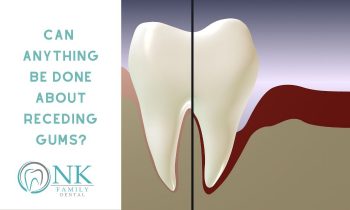
Can Anything Be Done about Receding Gums?

Have you noticed your teeth looking a little different in the mirror lately, like they might be showing more at the gumline than they should? It could be that you are experiencing gum recession. When detected early, gum recession can be treated and even reversed with the help of periodontics. Periodontics is a subcategory of dentistry primarily focusing on the gums and the bone supporting the teeth. There are many potential causes of gum recession, and each is treated differently. Let us help you better understand the effects, causes and available treatment options.

How Bad Could It Be?

First, what exactly is gum recession? WebMD defines the condition as follows:

Gum recession is the process in which the margin of the gum tissue that surrounds the teeth wears away, or pulls back, exposing more of the tooth, or the tooth's root. When gum recession occurs, "pockets," or gaps, form between the teeth and gum line, making it easy for disease-causing bacteria to build up. If left untreated, the supporting tissue and bone structures of the teeth can be severely damaged, and may ultimately result in tooth loss.”

Receding gums can be insidious, as the recession is so gradual you may not notice. The first sign is usually tooth sensitivity, or you may notice that a tooth looks longer than normal. Typically, a notch can be felt near the gum line. It could be that only one or a few teeth are affected, or the tissue around all teeth is receding. Gum recession needs to be treated as soon as possible. Left untreated, the exposed roots are susceptible to decay - which can lead to tooth loss.

What Causes Gum Recession?

There are many causes of gum recession, some of which can be prevented and others that cannot. Causes of gum recession may include:


Periodontal disease is the most common cause of gum recession, which itself is generally caused by plaque and bacteria resulting from poor dental hygiene. As we discussed in our blog post, “Signs You Need a Periodontist,” periodontal disease occurs in progressive stages that begin with gingivitis and, left untreated, end in tooth loss.

Treatments for Gum Recession

A periodontist will be able to provide options for treating your gum recession according to the severity of your case. Your dentist or periodontist will teach you proper brushing technique if overly vigorous brushing is the only cause. Other causes, however, are likely to require some form of treatment, which include the following:


If your gum recession is advanced, a gum graft procedure may be recommended. This is a type of dental surgery, but there is no reason to feel anxious over it. A periodontist will ensure the procedure is quick and painless, whether performing connective tissue grafts, free gingival grafts or pedicle (lateral) grafts. After receiving a gum graft, some mild pain and discomfort may occur while the graft sites heal, but the recovery process typically takes only one to two weeks. Of course, your healing will greatly depend on how well you follow your periodontist’s post-surgery instructions.

For gum recession treatment you can trust, choose NK Family Dental. We are honored to have Dr. Waeil Elmisalati as one of our practicing partners, rated as the top periodontist in Chicago by RateMDs.com. Read more about our periodontal and other dental services, and schedule your appointment with us today.