A missing tooth changes more than a smile. It changes how food lands on one side of the mouth, how speech feels in a crowded room, and how a person weighs every bill before agreeing to treatment that may be necessary but still feels out of reach.
That is the reality behind dental implants. The number on an estimate matters, but it is only one part of the decision. Implant treatment can restore chewing function and help preserve the jawbone, yet the final price may vary widely depending on bone quality, gum health, the location of the missing tooth, imaging, sedation needs, and the kind of restoration placed on top.
For many patients, the hardest part is not understanding what an implant is. It is understanding why one office quotes one figure and another quotes something very different. In many cases, those differences reflect planning, materials, surgical complexity, and what is or is not included in the treatment package.
A grounded conversation about cost should also be a conversation about safety. A low fee may still be reasonable, but only if the diagnosis is careful, the plan is clear, and the patient understands the likely timeline, risks, and alternatives.
Patients looking for clear information about the cost of dental implants can benefit from a personalized evaluation and a treatment plan tailored to their needs. At NK Family Dental in Chicago, we work closely with patients to explain implant options, treatment steps, and the factors that may influence overall cost in a comfortable, supportive setting.
A dental implant is not just one item. It is a treatment process. In simple terms, the implant is a small titanium or ceramic post placed in the jawbone to act like an artificial tooth root. After healing, a connector piece and a crown, bridge, or denture attachment are added.
When patients compare prices, confusion often starts here. One quote may include only the surgical placement of the implant. Another may include the consultation, 3D imaging, extraction, bone grafting, temporary tooth replacement, follow-up visits, and the final crown. That is why asking what is included in the total fee is often more useful than asking for the lowest number.
For a step-by-step overview of the procedure and benefits, see our dental implant questions.
Common cost components may include:
| Part of Care | What It Means |
| Consultation and exam | Review of medical history, oral health, and whether an implant is appropriate |
| Imaging | Often includes X-rays or 3D cone beam imaging to evaluate bone and nearby structures |
| Tooth removal | Needed if a damaged tooth is still present |
| Bone grafting | Adds or supports bone when the jaw is too thin or too soft for stable placement |
| Implant surgery | Placement of the implant into the jawbone |
| Abutment | Connector that links the implant to the visible tooth replacement |
| Crown or other restoration | The part that looks and functions like a tooth |
| Follow-up care | Healing checks and adjustments |
The visible tooth is what most people think they are buying. Clinically, the planning and foundation often matter just as much.
Implant fees can vary for valid reasons. Some are geographic. A practice in a dense urban area with higher laboratory and staffing costs may charge more than an office in a smaller community. Some differences are clinical. Replacing a front tooth in an area where appearance is critical can require more precision than replacing a back tooth that is less visible.
Bone volume is one of the biggest factors. After a tooth has been missing for a while, the jaw often shrinks in that area. This process is called bone resorption, meaning the body gradually removes bone that is no longer being stimulated by a tooth root. If there is not enough bone for a stable implant, a dental bone graft may be recommended, which can increase cost and treatment time.
Gum health also matters. Active periodontal disease, often called gum disease, may need treatment before an implant is placed. If inflammation and bacterial buildup are not controlled first, the risk of implant complications can rise.
Other factors that may affect pricing include:
The most useful comparison is not cheap versus expensive. It is a simple case versus a complex case. Two patients asking about one missing tooth may still need very different treatment.
The cost changes significantly depending on how many teeth are missing and how they are being replaced. A single missing tooth is often restored with one implant and one crown. Several missing teeth in a row may sometimes be restored with fewer implants supporting a bridge. A full arch, meaning all upper or all lower teeth, may be restored with a fixed implant-supported prosthesis using a limited number of implants placed in strategic positions.
This is where online price comparisons can become misleading. A quote for one implant does not help much if the real question is whether multiple implants are necessary at all. In some cases, a carefully designed bridge or implant-supported denture can reduce total cost while still improving stability and chewing.
Patients who have worn loose dentures for years often ask about implant cost with a mix of hope and fatigue. The issue is not cosmetic alone. Poor denture retention can limit food choices, affect speech, and make social life smaller.
Full-arch implant treatment can be life changing for the right patient, but it is also one of the areas where estimates vary the most. The total can reflect extractions, temporary teeth, grafting, sedation, the design of the final prosthesis, and how many implants are used. A clear written breakdown is essential.
Dental insurance coverage for implants remains inconsistent. Some plans cover part of the crown but not the implant surgery. Some exclude implants entirely but may offer benefits for an alternative treatment, such as a bridge or denture. Medical insurance may occasionally contribute if tooth loss is related to trauma, pathology, or medically necessary reconstruction, but that is far from guaranteed.
The practical question is not whether insurance covers implants in general. It is whether your specific plan covers any part of your specific treatment sequence. Patients should ask for a pre-treatment estimate and request that the office explain which parts are likely billed as surgical, restorative, imaging, or adjunctive care.
Useful questions include:
A careful financial discussion is not separate from clinical care. For many households, it determines whether treatment happens early, after complications, or not at all.
An implant is not the only way to replace a missing tooth. Depending on the location of the space, the condition of nearby teeth, bite forces, gum health, and budget, a dentist may also discuss a fixed bridge, a removable partial denture, or in some cases choosing to monitor the area for a period of time.
A traditional dental bridge uses neighboring teeth as support for a replacement tooth suspended between them. This can be a reasonable option, especially if those adjacent teeth already need crowns. A removable partial denture is usually less expensive upfront, though it may feel bulkier and may not preserve bone in the same way an implant can.
If you're weighing options, read our guide on implants or dentures to compare the pros and cons of each approach.
Here is the tradeoff many patients face: lower upfront cost does not always mean lower long-term cost. A bridge may need replacement years later. A removable appliance may need relining, repair, or replacement as the mouth changes. On the other hand, not every patient is a good implant candidate, and not every missing tooth requires the most expensive solution.
The best plan is the one that fits the mouth, the medical history, and real financial limits without pretending those limits do not exist.
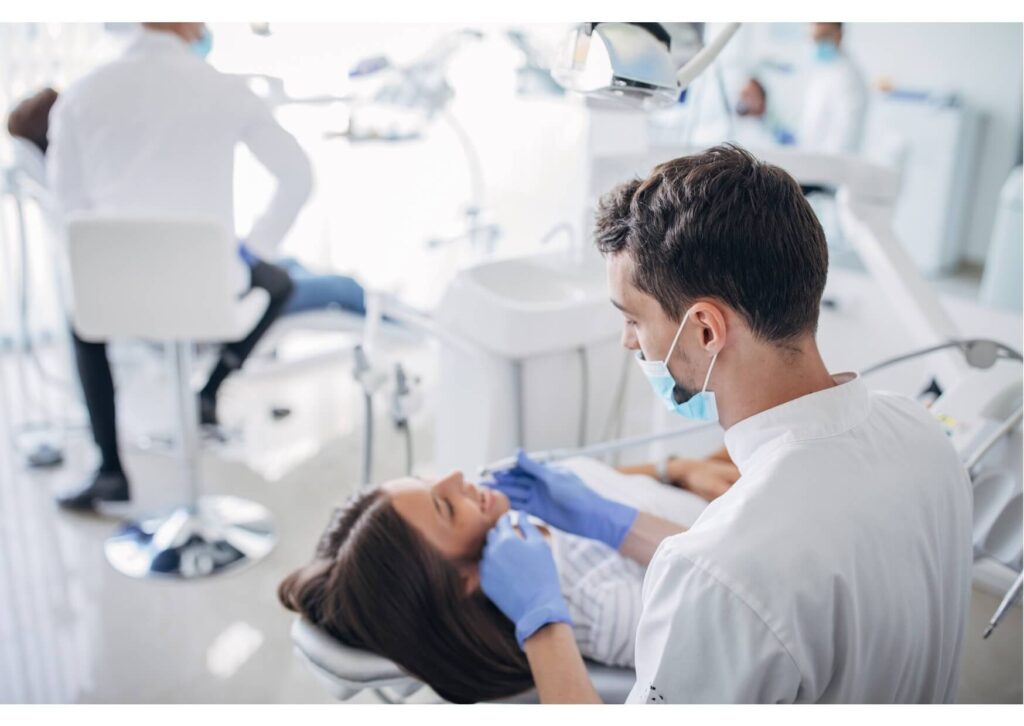
Cost matters, but pain, infection, and progressive damage matter too. A missing tooth itself is not always an emergency. The problem becomes more urgent when the space is tied to symptoms or active disease.
Arrange prompt dental care if there is swelling, fever, pus, or severe worsening pain. Those can be abscess symptoms and need timely evaluation. Other reasons to seek care soon include a recently broken tooth at the gumline, bleeding or inflamed gums around neighboring teeth, difficulty chewing because the bite has shifted, or a denture that suddenly no longer fits after rapid changes in the mouth.
A front tooth lost through trauma also deserves prompt assessment, especially if there is lip injury, jaw pain, or looseness in nearby teeth. Even when an implant is not placed right away, early evaluation may preserve treatment options and reduce the need for more extensive reconstruction later.
Patients are often handed estimates filled with unfamiliar terms and large numbers. The stress is understandable. A useful comparison starts with diagnosis, not sales language.
Ask each office to explain the condition of the bone and gums, whether additional procedures are likely, how long treatment may take, and who will perform each step. Some practices complete both surgery and restoration in one place. Others involve a general dentistry team and a specialist such as an oral surgeon or periodontist. Neither model is automatically better, but the handoff should be clear.
A responsible estimate should help answer these questions:
The cheapest quote can become expensive if key steps were omitted from the plan. The highest quote is not automatically the best either. What matters is a transparent plan with a defensible diagnosis.
Dental treatment is often discussed as if every patient starts from the same place. In reality, many people reach the implant conversation after years of patching problems around work schedules, childcare, transportation limits, or gaps in insurance. By then, the mouth may show the history of delay. The bone has narrowed. Neighboring teeth have drifted. Eating has become cautious and uneven.
That is one reason the cost of dental implants can feel so heavy. It is rarely just about one tooth. It is about what happened before the estimate was printed, and what access to care looked like long before anyone mentioned a surgical option.
From a public health perspective, tooth loss is not only a cosmetic issue. It can affect nutrition, speech, comfort, and willingness to seek care at all. Earlier treatment of decay, gum disease, and fractured teeth often prevents the more expensive decisions that come later.
Still, many patients are making decisions in the present, not in an ideal system. They need honest information, realistic options, and a clinician willing to explain what is necessary, what is optional, and what can be staged safely over time.
Missing teeth can continue to affect your oral health, confidence, and daily comfort long after the initial problem begins. Whether you are struggling with chewing, avoiding photos, or dealing with ongoing dental issues, understanding the true cost of dental implants can help you make a decision that supports both your health and quality of life for years to come.
At NK Family Dental, patients in Chicago and nearby areas receive personalized implant evaluations, transparent treatment recommendations, and compassionate care tailored to their goals and budget. Call (773) 249-4700 today to schedule your consultation and take the next step toward restoring the strength, function, and confidence of your smile with long-lasting dental implant solutions.
The total cost can vary widely based on location, imaging, bone grafting, the type of restoration, and whether the quote includes the crown and follow-up care. A written estimate is the best way to understand the real total for a specific case.
A lower quote may reflect fewer included services, different materials, lower laboratory costs, or a less complex case. It may also mean that parts of treatment, such as grafting or the final crown, are billed separately.
For many patients, implants can provide strong chewing function, stability, and bone preservation. Whether they are worth the cost depends on oral health, treatment goals, alternatives, and budget.
Often, yes in the short term. But long-term value depends on how long the bridge lasts, the condition of neighboring teeth, and whether future repairs or replacements are likely.
Sometimes, but delay can lead to bone loss and shifting of nearby teeth. If a tooth is missing or needs removal, a dental evaluation can help clarify the safest timeline and whether delaying treatment may make care more complex later.
Please confirm you're not a robot to proceed to the secure payment page.