What You Need to Know About Root Canal Reinfections
Root canal treatment is perhaps the dental procedure that people dread the most. However, when performed by an experienced, skilled dentist or endodontist, a root canal is painless, and can typically be performed during a single visit. While root canal procedures are overwhelmingly successful, a previously treated tooth can become reinfected days, weeks, months, or even years after the initial procedure.
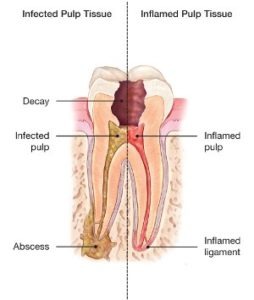
Although the term “root canal” is often used to refer to the procedure, it’s actually part of tooth anatomy. Also known as the pulp canal, it’s located inside the tooth root and contains the pulp, or pulp tissue. This tissue is made up of blood vessels, nerve endings and connective tissue. A tooth develops a root canal infection - also known as irreversible pulpitis - when decay spreads to the pulp, or when a bacterial infection develops inside the tooth or at its root tip. It must then be removed from the canal in order to stop dental pain and prevent infection from spreading throughout the body - which can lead to sepsis, a life-threatening medical emergency.
When one undergoes a root canal, the inflamed or infected pulp is removed and the inside of the tooth is carefully cleaned and disinfected, then filled and sealed. Because the tooth no longer contains living pulp tissue, it eventually becomes brittle and fragile. For this reason, the final step is to place a dental crown over the tooth. Our blog post - “What You Need to Know About a Root Canal” - covers this topic in detail.
What Causes a Root Canal Reinfection?
Even though all is typically well after a root canal procedure, reinfection can occur under some circumstances. This condition is also known as a failed root canal. The following causes are provided by Central Ohio Endodontics, Golden State Dentistry and Seascape Cosmetic and Implant Dentistry.
Undetected canals — The specialist may miss hidden root canals during the initial treatment, as some can be too narrow or calcified to be identified. This type of reinfection occurs relatively soon after the procedure.
Presence of bacteria —The presence of bacteria in the root canal system that was not completely eliminated during the initial root canal treatment can lead to reinfection and the need for retreatment. Moreover, bacteria can be introduced to the tooth after root canal treatment, but before the final filling is complete. If bacteria infiltrate the tooth prior to filling, they will become trapped inside and multiply until a new infection takes hold. This cause of reinfection also occurs relatively quickly after the initial treatment.
New infection — Another cause of recurring infection is the presence of new infection in the surrounding teeth or gums. In some cases, these infections can spread to the previously treated root canal, causing reinfection.
Leaking restoration — A poorly placed or leaking dental restoration - such as a crown or filling — can allow bacteria to enter the root canal system and cause reinfection. It is important to ensure that any dental restorations are properly sealed to prevent this from happening.
Trauma to the tooth or a cavity — A treated tooth that becomes cracked or fractured can allow the introduction and spread of bacteria. And although it isn’t common for a crowned tooth to develop a cavity, it can occur if the crown becomes loose, chipped, or cracked.
Poor oral hygiene — Inadequate oral hygiene can contribute to recurring root canal infections. Poor brushing and flossing habits can allow bacteria to thrive in the mouth, increasing the risk of infection.
Symptoms of a Reinfected Root Canal
Recognizing the following symptoms of a root canal reinfection is crucial for seeking timely intervention and preventing potential complications. However, it's essential to note that a reinfected root canal may not present with noticeable symptoms.
Persistent pain— A primary indicator of a reinfected root canal is a persistent or recurring pain in the affected tooth. It can present as a dull ache, sharp or throbbing pain, and may worsen when biting or applying pressure on the tooth. Unexplained and prolonged discomfort in a tooth that has undergone a root canal procedure should prompt further evaluation by a dental professional.
Sensitivity — Sensitivity to hot or cold temperatures - particularly when this sensitivity lingers even after removing the stimuli - can be a sign of a reinfected root canal. If a tooth that previously did not exhibit heightened sensitivity begins to react adversely to temperature changes, it could indicate reinfection or another underlying issue that requires attention.
Swelling and/or abscesses— Swelling and tenderness around the treated tooth can signal a reinfected root canal. The formation of an abscess or pimple on the gums near the affected tooth is a clear indication of an infection and should be addressed promptly by a dentist.
Discharge — Yellow or green discharge — as well as blood - from the tooth is another indication of a failed root canal.
Persistent bad breath or a foul taste in the mouth — Bad breath that regular brushing and use of mouthwash doesn’t eliminate - as well as a persistent foul taste in your mouth - are other signs of reinfection.
Swollen lymph nodes and/or fever —These are serious indications that infection has spread beyond the tooth, and require immediate attention to prevent sepsis - which as previously mentioned, is a life-threatening medical emergency.
Treatment Options for a Reinfected Root Canal
Fortunately, a failed root canal doesn’t always require extracting the tooth. Depending on certain factors, your dentist or endodontist may be able to successfully retreat it - which typically involves the following steps:
- Removal of the previous dental restoration.
- Cleaning and disinfection of the root canal system.
- Removal of any infected or inflamed tissue.
- Filling and sealing of the root canal system with a biocompatible material.
- Placement of a temporary filling or crown.
In some cases, endodontic surgery may be required to address persistent infections or complications.
The Take-Home Message
In the vast majority of cases, a root canal treatment is successful, and can last a lifetime with consistent commitment to good oral hygiene and twice-yearly visits to your dentist for routine examinations and cleanings. Sometimes, for a variety of reasons, a root canal can fail, and require retreatment. Now that you know the possible reasons and symptoms to watch out for, you’ll be prepared to seek immediate treatment should it become necessary.
When you have your root canal procedure performed at NK Family Dental, you’ll experience treatment by our outstanding root canal specialist, Dr. Sabek. Our spa-like office provides an atmosphere that is modern, tranquil and inviting, designed for the ultimate in comfort.
It is our mission to provide the highest quality and most compassionate oral care to our Chicago patients, including both dental and periodontal services. Our practice is trusted for advanced oral surgery procedures and - of course — comfortable root canal treatment.
Our team of experienced, dedicated dental professionals will help address your oral health concerns, and determine the best solution for you based on your individual situation. We strive to identify treatment options that fit your needs. Our dental specialists include our general dentist, Dr. Nilofer Khan, our endodontist, Dr. Sabek, and our periodontist, Dr. Amir Danesh. Dr. Danesh is a board-certified periodontist and Diplomat of the American Board of Periodontology. He has contributed to the publication of two books, as well as published over 20 papers in prestigious dental research journals.
We serve the neighborhoods of Logan Square, Bucktown, Humboldt Park, and Wicker Park with the dedication that’s earned us the reputation as the Best Dentist in Chicago!
We understand that the main concern you may have is cost, which is why we accept all major PPO plans for dental insurance and also offer our in-house dental plan. Please see our financing page for more information.
Schedule your visit through ZocDoc, or contact us directly. We look forward to treating you soon!