Gummy smile treatment can reduce excess gum show and improve smile balance, but the best option depends on why it happens. Treatment may involve reshaping gum tissue, moving teeth, reducing upper-lip lift, or, in more complex cases, correcting jaw position.
Improving smile balance can help you look younger, and a dental evaluation is the safest way to identify the cause and choose the right treatment path. A gummy smile is usually a cosmetic concern, not a medical problem. Treatment is optional unless swollen or overgrown gums are related to gum disease, medication effects, or another condition that needs care.
If you are weighing treatment options to reduce gum show and improve smile balance, cosmetic dentistry can combine contouring, veneers, and coordinating orthodontic or injection approaches to match your goals. NK Family Dental in Chicago, IL offers thoughtful aesthetic planning to help you understand realistic, personalized outcomes.
Dentists may call a gummy smile excessive gingival display. There is no single amount of visible gum tissue that automatically needs correction, because tooth shape, lip movement, facial proportions, and personal preference all affect what looks balanced.
Common causes include:
More than one factor may be involved. Finding the true cause matters, because removing gum tissue will not fix a highly mobile lip or a jaw-position issue.
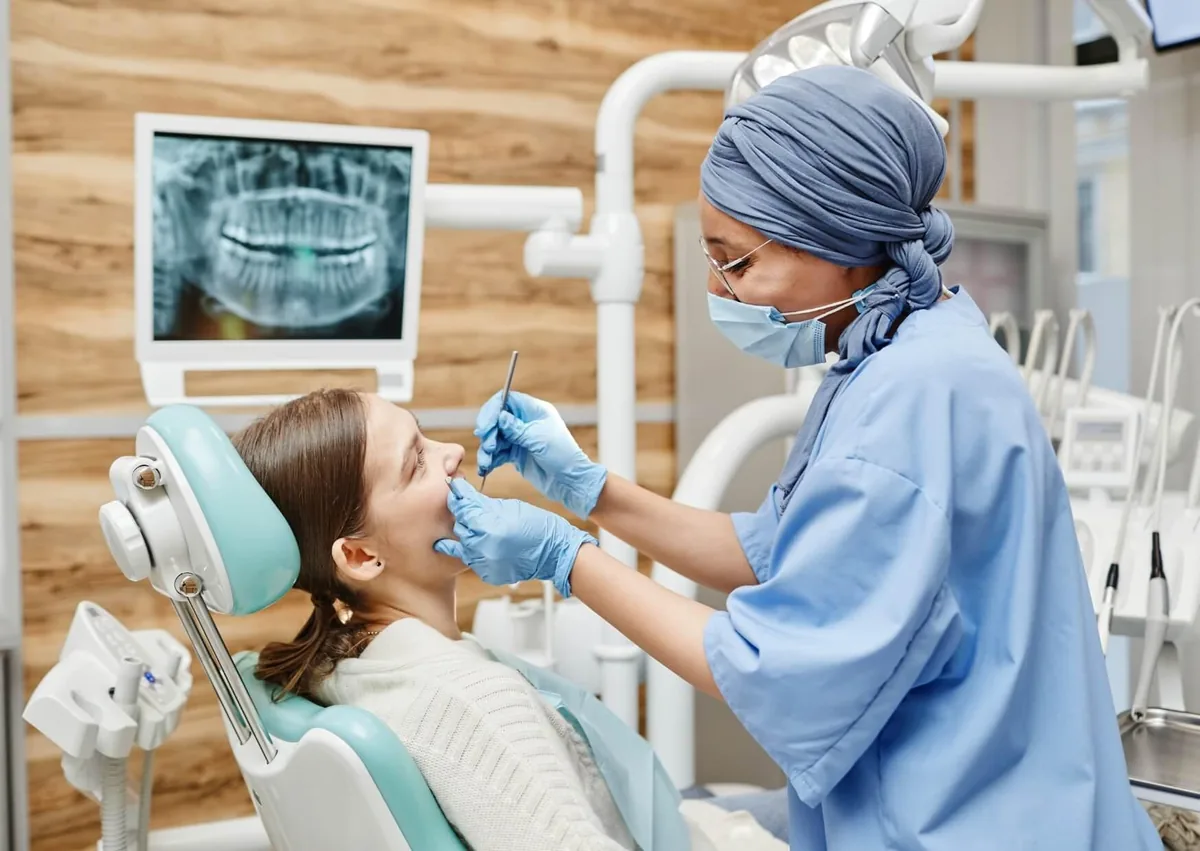
A gummy smile evaluation usually includes an exam of the teeth and gums, measurements of gum display, and a look at the bite and upper-lip movement. Photos, X-rays, scans, or impressions may help show where the enamel ends under the gums and how the jaw is positioned.
The dentist also checks for redness, bleeding, plaque buildup, or gum overgrowth. If inflammation is making the gums look fuller, professional cleaning and better plaque control may be recommended before cosmetic treatment.
Depending on the cause, care may involve a general dentistry clinician, periodontist, orthodontist, oral and maxillofacial surgeon, or another qualified professional. It also helps to explain exactly what bothers you about your smile and whether you want a subtle or more noticeable change.
No single treatment is right for every smile. The best choice depends on whether the main issue is the gums, teeth, lip, bite, or jaw.
Treatment | Often Considered When | Practical Expectations |
|---|---|---|
Gingivectomy or gum contouring | Extra gum tissue covers part of otherwise normally positioned teeth | Gum tissue is reshaped; temporary soreness and sensitivity may occur |
Crown lengthening | Gum and sometimes supporting bone cover too much of the tooth | More involved than simple contouring; healing takes longer |
Orthodontic treatment | Tooth position, eruption, or bite contributes to gum display | Gradual change over months or longer; braces or clear aligners such as Invisalign may be used |
A strongly lifting upper lip is a major factor | Minimally invasive and temporary; repeat treatment is generally needed | |
Lip repositioning surgery | Upper-lip movement exposes substantial gum tissue | Limits how high the lip rises; swelling and tightness can occur during healing |
Orthognathic jaw surgery | Upper-jaw position is the primary cause | Major surgery with substantial planning and recovery; typically reserved for significant skeletal concerns |
Gum contouring removes and reshapes soft tissue to reveal more of the tooth. If bone sits too close to the planned gumline, crown lengthening may also include reshaping a small amount of supporting bone so the gums can heal in a stable position.
These treatments can create a lasting change when they are chosen carefully. Removing too much tissue can expose roots or lead to sensitivity and an uneven gumline.
In some cases, porcelain veneers may be used instead of extensive tissue removal to make teeth look longer. Other cosmetic options, including teeth whitening, may also be discussed as part of overall smile improvement.
A periodontist may handle more complex gum and bone cases. This is especially important when the planned result depends on precise tissue shaping and long-term gum stability.
Braces or clear aligners like Invisalign can help when tooth position, eruption, or bite relationships contribute to excess gum show. Some treatment plans may also use temporary anchorage devices, which are small dental anchors that help move teeth in controlled ways.
Jaw surgery may be considered when vertical growth of the upper jaw is the main cause. It is usually reserved for more significant skeletal concerns, especially when gum display is paired with functional or facial-balance issues.
Muscle-relaxing injections can temporarily reduce how far the upper lip rises when you smile. Results are not permanent, and possible side effects include asymmetry, altered lip movement, or an unnatural expression if treatment is not planned carefully.
Lip repositioning surgery adjusts tissue inside the upper lip to limit elevation. Results vary, and some gum show may return over time, so it is important to ask about likely stability and procedure-specific risks.
Recovery depends on the treatment used. Injections usually involve little downtime, while gum procedures may cause tenderness, swelling, mild bleeding, or temporary sensitivity.
Orthodontic treatment works gradually over months or longer. Jaw surgery requires much more planning and a longer recovery period.
Your clinician should explain when you can return to normal brushing, flossing, eating, exercise, and work. Do not try to trim, press, or otherwise change gum tissue at home.
Cosmetic gummy smile treatment is often not covered by dental insurance, although some procedures may be covered when they treat disease or improve function. Ask for a written estimate that separates exam, imaging, specialist, facility, anesthesia, follow-up, and maintenance costs.
Results may be permanent, long-lasting, or temporary depending on the cause and the method used. Before starting treatment, ask what result is realistic, whether retreatment may be needed, and what risks could affect the teeth, gums, lips, or bite.
Daily plaque removal helps prevent inflammation from making the gums look more prominent and lowers the risk of periodontal disease. Brush gently with fluoride toothpaste, clean between the teeth, and keep recommended visits through routine general dentistry care.
Tell your dentist about all prescription and nonprescription medications, because some can contribute to gum enlargement. Do not stop or change a prescribed medication without speaking with the clinician who prescribed it.
Avoid tobacco and nicotine products, which can slow healing and increase oral health risks. If teeth grinding, gum disease, or an unstable bite is present, treating those issues may help protect your result.
Schedule a dental evaluation if the amount of visible gum tissue changes suddenly or if your gums stay swollen, tender, red, or prone to bleeding. Persistent bad breath, pus, loose teeth, gum recession, pain, or a changing bite also deserves prompt attention.
Seek urgent dental or medical care for rapidly increasing facial or gum swelling, fever with oral swelling, uncontrolled bleeding, trouble swallowing, or trouble breathing. These are not typical signs of a cosmetic gummy smile and may point to infection or another urgent problem.
If your gummy smile is stable and painless, treatment is usually elective and can be planned without urgency. A thorough exam can identify the cause, rule out disease, and help set realistic expectations before any procedure is chosen.
A consultation can clarify the cause of your gummy smile and outline whether cosmetic dentistry, orthodontics, or gum procedures best match your goals and timeline. Contact NK Family Dental in Chicago, IL to discuss cosmetic dentistry options or call (773) 249-4700 to schedule.
Sometimes. Orthodontics or muscle-relaxing injections may help in selected cases, and treatment of gum inflammation can reduce swelling when disease is part of the problem.
It depends on the diagnosis and the treatment used. Properly planned gum or jaw procedures may provide long-lasting change, orthodontic results require retention, and muscle-relaxing injections are temporary.
Local anesthesia is usually used during the procedure, so you should not feel sharp pain while the tissue is being reshaped. Temporary soreness, swelling, and sensitivity may happen afterward, and your dentist should give you specific aftercare instructions.
Any dental procedure has risks, but careful diagnosis and conservative planning help reduce them. Removing too much gum or bone may contribute to root exposure, sensitivity, recession, or support problems, which is why treatment should be done by a qualified clinician.
Timing depends on growth, tooth eruption, gum health, and the type of treatment being considered. Younger patients may need monitoring until facial growth or tooth eruption is more complete, especially when orthodontic or jaw treatment may be involved.
Please confirm you're not a robot to proceed to the secure payment page.