Gum contouring can improve a gummy smile, smooth an uneven gumline, or help prepare a tooth for restoration when gum tissue is the main issue. It can also include procedures that add tissue for recession, but it does not fix every cause of excess gum display or exposed roots, so the right treatment depends on your gums, teeth, and supporting bone
If you’re weighing gum contouring to improve smile balance or prepare teeth for restorations, cosmetic dentistry can clarify whether contouring, veneers, or orthodontics best match your goals. NK Family Dental in Chicago, IL, evaluates your gums and recommends practical options to improve proportion and long-term stability.
Gum contouring is most helpful when the gumline itself is the problem. That may mean too much gum tissue shows when you smile, the gumline looks uneven, or a tooth needs more visible structure for a restoration.
It can also refer to treatment that adds tissue instead of removing it. When roots are exposed from recession, a periodontist may recommend a gum graft or another root-coverage procedure to protect the tooth and strengthen thin tissue.
A gummy smile can happen for several reasons, including excess gum tissue, teeth that did not fully erupt, a short or overactive upper lip, jaw position, or certain medications. Gum contouring can help when gum tissue is the main cause, but it cannot correct every reason gums show too much.
An uneven gumline can also make healthy teeth look different in length. In some cases, carefully reshaping small amounts of tissue creates a more balanced smile, but orthodontics or restorative treatment may be a better fit if tooth position or tooth shape is the real cause.
Before gum contouring, a dentist or periodontist examines the teeth, gums, and pocket depths. X-rays may be needed to check bone levels and confirm whether reshaping soft tissue alone will be stable.
Active gum disease usually needs treatment first. Reshaping inflamed tissue without controlling plaque, infection, or bone loss can lead to poor healing and an unhealthy result.
The dentist also checks how much tooth structure should remain covered. If bone sits too close to the planned gumline, crown lengthening may be needed to reshape both gum and bone while preserving healthy attachment around the tooth.
Local anesthetic is usually enough to numb the area. Depending on the goal, the clinician may use a laser, electrosurgery, or a scalpel, but the best method depends more on the case and the operator than on the device itself.
Treatment | Typical Purpose | What May Be Involved |
|---|---|---|
Gingivectomy or cosmetic reshaping | Removes excess or uneven gum tissue | Tissue is trimmed and the gumline is sculpted |
Crown lengthening | Exposes more tooth for a restoration or appearance | Gum tissue and sometimes supporting bone are reshaped |
Gum grafting | Covers exposed roots or strengthens thin tissue | Tissue is added from the mouth or another graft material |
These procedures do not serve the same purpose, and recovery can differ. A cosmetic consultation should evaluate gum and bone health, not just the visible smile line.
When tooth proportions need correction, treatment may be planned along with porcelain veneers or composite dental bonding. That helps the final gumline match the shape and size of the teeth.
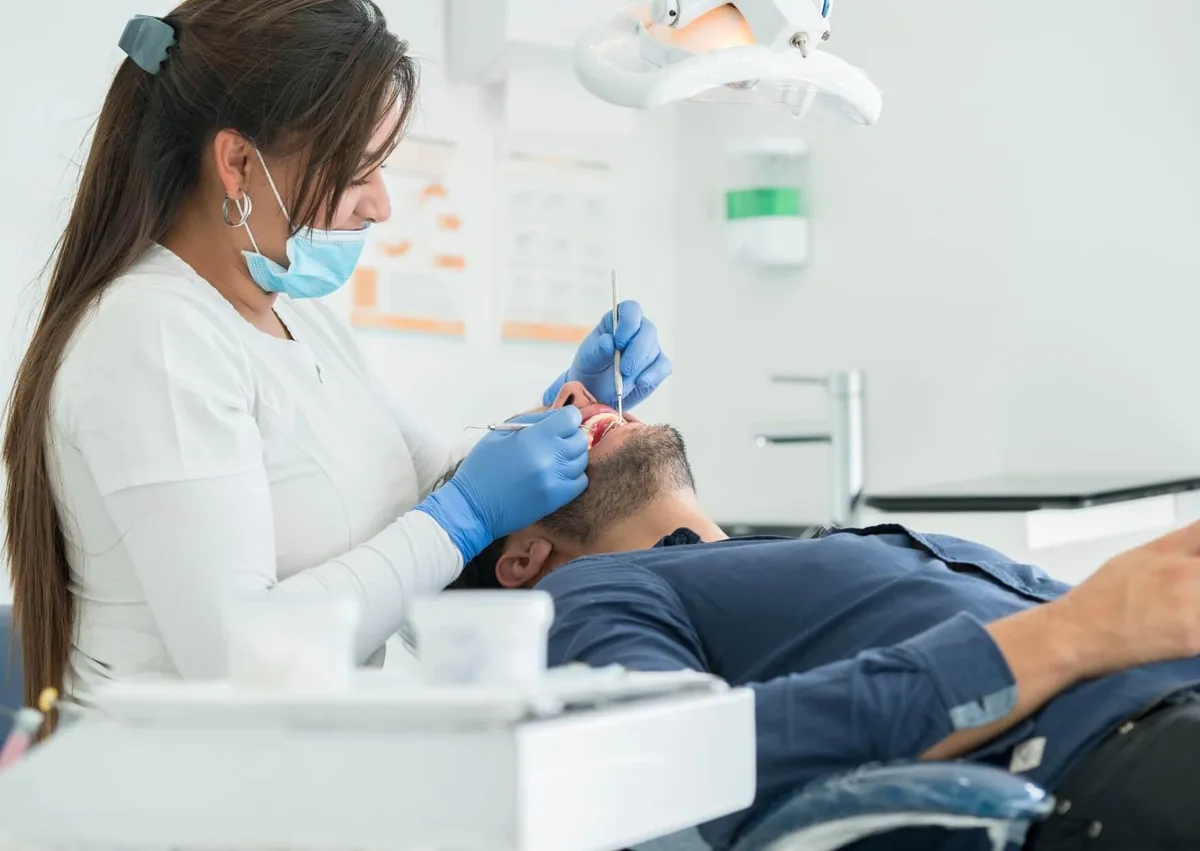
Mild soreness, swelling, and light bleeding are common during the first few days. The gums may look red or slightly uneven at first, and the final contour usually becomes clearer as swelling settles over the next few weeks.
Follow your clinician’s instructions for brushing, flossing, eating, and using any prescribed rinse. Soft foods are often easier early on, while smoking, vaping, alcohol, and sharp or crunchy foods can irritate healing tissue.
Healing time depends on how much tissue was treated and whether bone reshaping or grafting was involved. Simple cosmetic reshaping often feels better within days, while grafting or crown lengthening may take longer to fully mature.
Results can be long-lasting when treatment is planned correctly and the gums stay healthy. Daily plaque control, gentle brushing with a soft-bristled toothbrush, and regular follow-up visits all help maintain the new gumline.
Poor planning or ongoing inflammation can affect the result. Removing too much tissue may expose roots, increase sensitivity, or make teeth look too long, while untreated inflammation or an unaddressed bone issue can make the contour less stable over time.
Do not try to cut, burn, or chemically change gum tissue at home. Home methods can cause bleeding, infection, permanent recession, and damage to the structures that support the teeth.
Contact the treating office if bleeding does not slow with gentle pressure, pain or swelling gets worse instead of better, pus develops, a bad taste persists, or the tissue becomes more red after first improving. Seek urgent medical care for trouble breathing or swallowing, rapidly spreading facial swelling, or heavy bleeding that cannot be controlled.
You should also schedule an evaluation before cosmetic treatment if your gums bleed easily, recede, feel tender, or have changed without a clear reason. Those signs may point to gum disease or another condition that should be treated before gum contouring is considered.
For a personalized plan that balances gum health and appearance, request a cosmetic dentistry consultation to review contouring, grafting, and restorative options. Contact NK Family Dental for cosmetic dentistry in Chicago, IL, at (773) 249-4700 to call or schedule a visit.
Local anesthetic usually limits discomfort during the procedure. If you have concerns about getting numb for treatment, that is worth discussing before your visit.
Mild soreness afterward is common, but severe or worsening pain should be reported to the treating dentist. If anxiety affects your care, see manage dental anxiety.
Results can be long-lasting when the procedure is properly planned and gum health remains stable. Tissue position can still change over time because of inflammation, continued recession, tooth movement, or an underlying bone relationship that was not addressed.
Initial tenderness often improves within several days, but healing time varies with the extent of treatment. The gumline may continue to settle for several weeks or longer, especially if bone reshaping or grafting was involved.
Coverage depends on the plan and why treatment is needed, so review your dental insurance details carefully. Insurance may exclude treatment done only for appearance, while medically necessary crown lengthening or recession treatment may qualify for partial benefits.
Please confirm you're not a robot to proceed to the secure payment page.