If your mouth feels dry, the usual reason is that you are not making enough saliva. This is called xerostomia, and common causes include dehydration, medications, mouth breathing, certain health conditions, and some medical treatments. Because saliva's role is to protect teeth, gums, and oral tissues, ongoing dryness can raise the risk of cavities, irritation, and infection.
If you're dealing with persistent dry mouth that affects eating, speaking, or oral comfort, a complete checkup can pinpoint saliva issues and early tooth damage. NK Family Dental in Chicago, IL, offers thorough exams and preventive planning to identify causes and protect your oral health.
Sudden dry mouth is often temporary. It can happen after sweating, fever, vomiting, diarrhea, or simply not drinking enough water.
Alcohol, tobacco, cannabis, and large amounts of caffeine can also make your mouth feel dry. In some people, stress or anxiety briefly lowers saliva flow; see stress and oral health.
Dryness that is worse in the morning may come from sleeping with your mouth open. Nasal congestion, snoring, and sleep apnea are common reasons for nighttime mouth breathing.
A new medication or a dose change can also trigger dry mouth quickly. Do not stop a prescribed medicine without speaking with the clinician who prescribed it.
Many medications can reduce saliva production. Common examples include some antihistamines, decongestants, antidepressants, blood pressure medicines, muscle relaxants, bladder-control medicines, and certain pain medicines.
Health conditions can also play a role. Dry mouth may occur with diabetes, Sjögren’s disease, thyroid disorders, and conditions that affect the nerves that control the salivary glands.
Cancer treatment is another possible cause. Chemotherapy may temporarily change saliva flow, while radiation to the head or neck can cause longer-lasting salivary gland damage.
Age alone is not considered a direct cause of dry mouth. However, older adults are more likely to take multiple medications or have health conditions linked to dryness.
Dry mouth often feels sticky, cottony, or unusually rough rather than just thirsty. You may also notice:
Saliva helps wash away food particles, neutralize acids, and deliver minerals that support enamel. When saliva stays low, cavities can form faster, especially near the gumline and on exposed roots.
Dry mouth can also increase the risk of gum irritation and oral yeast infection. White patches, redness, soreness, or a burning feeling may suggest oral candidiasis, also called thrush; for more on tongue changes, see what your tongue reveals.
Sip plain water regularly during the day, and keep water nearby at night if needed. This will not fix every cause, but it often improves comfort.
Sugar-free gum or sugar-free lozenges can help stimulate saliva if your salivary glands still respond. Products with xylitol may also help lower cavity risk when used as directed.
Try to limit alcohol, tobacco, cannabis, and excess caffeine if they make symptoms worse. Alcohol-containing mouth rinses can also feel irritating and drying.
If your dryness is worse at night, a humidifier and treatment for nasal congestion may help. Over-the-counter saliva substitutes, moisturizing gels, and dry-mouth rinses can also provide temporary relief.
Some people may benefit from prescription medicines that stimulate saliva. These are not right for everyone, so they should be discussed with a clinician.
Brush twice a day with fluoride toothpaste and clean between your teeth daily. Try to cut back on frequent snacking and sipping sugary or acidic drinks.
Fluoride matters even more when saliva is low because your teeth have less natural protection against acid and decay. A dentist may recommend a higher-fluoride product, fluoride varnish, or more frequent exams based on your cavity risk.
Be careful about using sour candies or citrus drinks to stimulate saliva. They may seem helpful, but frequent acid exposure can wear down enamel.
If medication seems to be the cause, the prescriber may be able to adjust the timing, change the medicine, or address another contributing issue. A dentist can check saliva flow, look for decay or infection, and coordinate care through general dentistry when needed.
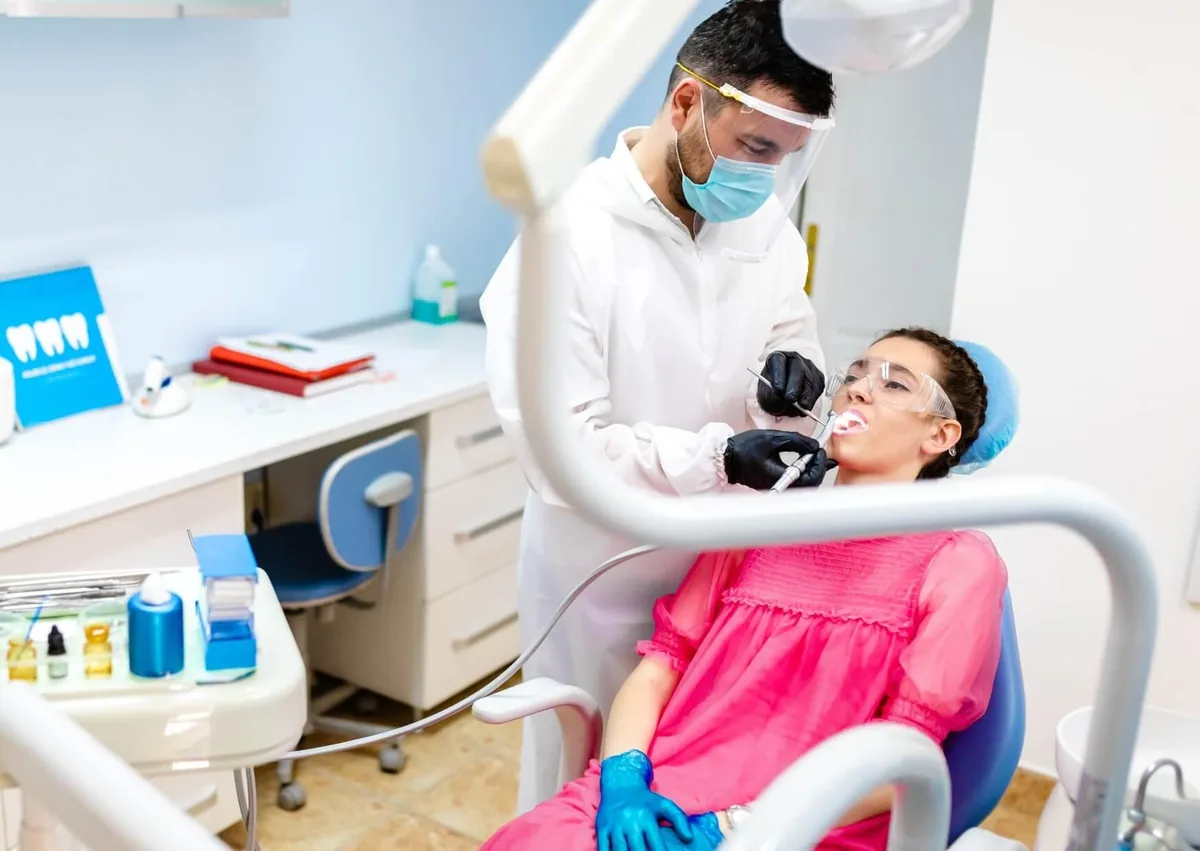
Schedule an evaluation if dry mouth lasts more than a couple of weeks, keeps coming back, wakes you from sleep, or makes it hard to eat, speak, or swallow. It is also worth getting checked if your mouth feels dry even when you are drinking enough fluids.
Prompt dental care or emergency dental care may be appropriate if you notice new tooth sensitivity, mouth sores, white patches, bleeding gums, facial swelling, or signs of rapid tooth decay.
Seek urgent medical help for trouble breathing or swallowing, severe swelling of the face or neck, confusion, fainting, or signs of serious dehydration such as very little urination and marked weakness.
Dry mouth with excessive thirst, frequent urination, unexplained weight loss, or very high blood sugar readings also needs timely medical evaluation. A dental exam or complete checkups visit can help identify oral complications early and show whether further medical follow-up is needed.
A focused dental exam can clarify causes of ongoing dryness, check for cavities or infection, and guide tailored preventive care. Call NK Family Dental for complete checkups in Chicago, IL, at (773) 249-4700 to schedule an appointment or ask about same-day availability.
Yes. Fluid loss from sweating, illness, alcohol, or other causes can be greater than what you have replaced, so your mouth may still feel dry.
If dryness continues despite adequate fluids, medication effects, mouth breathing, reduced salivary function, or another health issue may be involved. A clinician can help sort out the cause.
Nighttime dry mouth is often linked to mouth breathing, nasal congestion, snoring, sleep apnea, dehydration, or medication effects. Saliva production also naturally drops during sleep.
If you also have loud snoring, gasping, morning headaches, or daytime sleepiness, ask a medical professional about possible sleep apnea.
Yes. When saliva is low, acids, plaque, and food debris stay on the teeth longer, which increases the risk of decay.
Consistent fluoride use, careful daily cleaning, fewer sugary exposures, and risk-based dental visits can help protect your teeth.
Dry mouth can happen with diabetes, especially when high blood sugar leads to increased urination and dehydration. But dry mouth alone does not confirm diabetes.
Seek medical care if dryness happens along with frequent urination, unusual thirst, blurry vision, fatigue, or unexplained weight loss. Learn more about diabetes and oral health.
Please confirm you're not a robot to proceed to the secure payment page.