Full mouth dental implants typically cost about $20,000 to $90,000 or more in the United States, depending on whether you need one arch or both and whether the final teeth are removable or fixed. The real price depends on your exam, imaging, bone support, extractions, materials, sedation, and lab work, so an in-person evaluation is the only way to get an accurate estimate for full-mouth implants.
If you are worried about the cost of replacing most or all of your teeth, dental implants can offer a more stable long-term option with clearer function and maintenance expectations. NK Family Dental in Chicago, IL provides patient-focused evaluations that help you understand your options, likely timeline, and the factors shaping your total cost.
Full mouth treatment usually means replacing all teeth in the upper jaw, lower jaw, or both. In many cases, a dentist uses four to six implants per arch to support a full bridge, sometimes with an All-on-4 dental implants approach.
Treatment does not always mean one implant for every missing tooth. Options may include a removable implant overdenture, a fixed full-arch bridge, or other implant-supported restorations based on your anatomy and goals.
An arch means all the teeth in one jaw. When reviewing a quote, make sure you know whether the price covers one arch or both.
For broader questions about implants and what to expect, see our dental implant questions article.
Prices vary by region, provider, materials, and case complexity, but these are common U.S. ranges:
These are general estimates, not treatment quotes. Very low advertised prices may leave out imaging, extractions, sedation, temporary teeth, bone grafting, the final bridge, or follow-up care.
The number of implants matters, but it is only one part of the total. A complete estimate may include the consultation, 3D cone-beam CT imaging, tooth removal, grafting, implant placement, anesthesia or sedation, temporary teeth, lab fees, the final restoration, and maintenance visits with a general dentistry provider.
Bone loss often increases cost because implants need enough support in the jaw. Some patients need bone grafting or a sinus lift, while others may qualify for implant placement techniques that reduce the need for added grafting.
The final teeth also affect price. Acrylic or composite restorations may cost less upfront, while zirconia bridges often cost more because of the material and manufacturing process.
Fees can also change based on location, specialist involvement, and treatment setting. Smoking, active gum disease, teeth grinding, and some medical conditions may increase risk and influence the treatment plan.
Dental insurance may help pay for parts of treatment such as extractions, dentures, or other related services, but many plans limit or exclude implant coverage. Annual maximums are often much lower than the total cost, so ask for a written predetermination of benefits before treatment begins.
Medicare coverage usually does not include routine dental implants. Medicaid dental benefits vary by state, and full-arch implant coverage is uncommon.
When comparing treatment plans, ask for an itemized written estimate. It should list the number and brand of implants, temporary and final teeth, restoration material, grafting, sedation, follow-up care, repair policies, and who manages complications.
Financing can make treatment more manageable over time. Still, review interest rates, deferred-interest terms, and fees carefully because a lower starting quote is not always the lower total cost.
The evaluation usually includes a dental and medical history, gum assessment, bite review, and 3D imaging. These findings help determine whether implants are appropriate and whether infection or gum disease should be treated first.
In some cases, implants can be placed the same day as extractions (see our dental implant surgery article). Temporary fixed teeth may sometimes be attached quickly, but they are not the final bridge and usually require a soft-food period during healing.
Healing often takes several months before the final restoration is delivered. Follow-up visits may be needed to adjust the bite, improve comfort, refine appearance, and make cleaning easier.
Implants do not get cavities, but the surrounding tissue can still become inflamed or infected through peri-implant disease. Daily cleaning, regular maintenance visits, tobacco avoidance, and managing teeth grinding all help protect the result.
Full mouth dental implants can improve chewing, stability, and confidence, but they still require ongoing care. Even a fixed bridge must be cleaned carefully under and around the restoration every day.
They are also a major financial decision, so it is worth asking how long temporary teeth are expected to last, what repairs may cost, and when the final bridge may need maintenance or replacement. A second opinion can be helpful before removing teeth that may still be treatable.
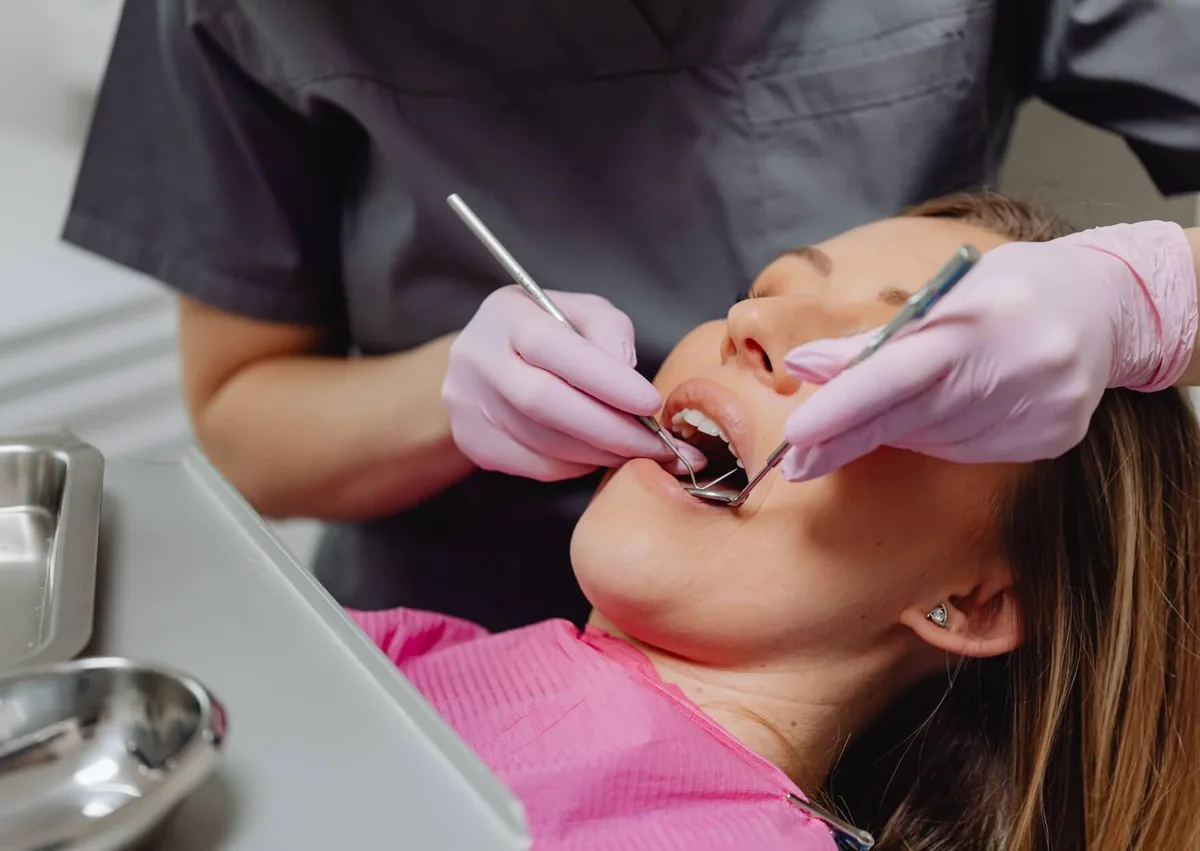
Schedule an evaluation if missing, loose, painful, or badly damaged teeth are making it hard to eat or function comfortably. A dentist or prosthodontist can compare full-arch implants with dentures, implant overdentures, or saving teeth that can still be treated, and review the pros and cons.
After implant surgery, contact the treating office if pain or swelling gets worse instead of better, bleeding continues, fever develops, drainage appears, or the implant or bridge feels loose. Seek urgent medical care for trouble breathing or swallowing, rapidly spreading swelling, uncontrolled bleeding, or other severe symptoms.
To move from estimates to a personalized treatment plan, arrange a focused consultation to review your scans, costs, and expected timeline so you can make an informed decision. NK Family Dental offers dental implants in Chicago, IL and nearby Logan Square; call (773) 249-4700 to schedule or request an appointment.
Fixed upper and lower implant bridges often total about $40,000 to $90,000 or more in the United States. The cost may be lower for removable implant overdentures and higher when extensive grafting, premium materials, or more complex care is needed.
Not always. Some ads cover only implant placement or temporary teeth, so ask whether the quote includes extractions, imaging, grafting, sedation, temporary teeth, the final bridge, and follow-up visits.
Implants are designed for long-term use, but no treatment can be guaranteed for life. Bridges can wear, chip, loosen, or need replacement over time, and the gums and bone around implants still need regular care.
In selected cases, yes. Eligibility depends on bone quality, infection, bite forces, general health, and whether the implants are stable enough to support a temporary restoration.
Please confirm you're not a robot to proceed to the secure payment page.