Braces in the United States often cost about $3,000 to $8,000 for comprehensive treatment. Simpler cases may cost less, while complex treatment, longer timelines, or specialized appliances can cost more.
The exact price depends on the type of braces, how difficult the tooth and bite movement is, local office fees, insurance benefits, and what is included in the quote. General braces cost estimates are useful for planning, but a dental exam and written treatment plan are the only reliable way to know your likely cost.
Many offices provide a written estimate that breaks down the total fee, expected insurance contribution, down payment, and monthly payments. That makes it easier to compare options and understand your out-of-pocket cost.
If you're comparing braces with clear aligners for cost, appearance, or daily comfort, learning how Invisalign fits your needs can make the decision clearer. NK Family Dental in Chicago, IL helps patients understand the tradeoffs, expected results, and practical costs so they can choose with confidence.
The ranges below are broad estimates, not guaranteed prices:
|
Treatment Type |
Common Estimated Range |
|---|---|
|
Traditional metal braces |
$3,000 to $7,000 |
|
Ceramic braces |
$4,000 to $8,000 |
|
Lingual braces |
$8,000 to $13,000 or more |
|
Clear aligners |
$3,000 to $8,000 |
Traditional metal braces are often the least expensive fixed option. Ceramic braces blend in more with the teeth but usually cost more, and lingual braces tend to be the most expensive because they require more specialized planning and adjustments.
Clear aligners can cost about the same as braces, but they are not the right choice for every case. If you're considering clear aligners such as Invisalign, ask about treatment goals, expected refinements, and wear requirements so you can compare real-world cost and results.
The best appliance should be based on tooth movement, bite correction, oral health, and how consistently the patient can follow instructions. Price matters, but it should not be the only factor.
Orthodontic fees are largely based on how complex the case is. Crowding, spacing, impacted teeth, major overbites or underbites, jaw growth concerns, and previous dental work can all increase the amount of planning and treatment needed.
Treatment often lasts about 12 to 30 months, but timing varies. Missed visits, broken brackets, poor elastic wear, inconsistent aligner use, or unexpected tooth movement can extend treatment and sometimes increase cost.
Location also affects fees because staffing, lab, and operating costs vary by region. Treatment from an orthodontist may be priced differently from limited orthodontic care offered in general dentistry, so compare training, treatment scope, and follow-up care rather than price alone.
A comprehensive fee may include records, appliances, routine adjustment visits, emergency repairs, brace removal, and the first set of retainers. However, not every quote includes the same services.
Ask whether the consultation, digital scans, X-rays, retainers, follow-up visits, and repairs are included. It is also smart to ask what happens if treatment takes longer than expected or if insurance changes during care.
Dental treatment outside orthodontics is usually billed separately. Cleanings, fillings, gum treatment, extractions, or care for impacted teeth may be needed before or during braces and can raise the total cost.
Dental insurance may cover part of orthodontic treatment up to a lifetime orthodontic maximum. Many plans also have age limits, waiting periods, network rules, or exclusions for treatment already in progress.
Flexible spending accounts and health savings accounts may help pay eligible orthodontic expenses with pretax dollars, depending on plan and tax rules. Many offices also offer monthly payment plans, so ask about down payments, financing charges, and any discount for paying in full.
Medicaid coverage for braces varies by state and is usually limited to cases that meet medical-necessity rules, especially for children. Cosmetic concerns alone may not qualify, and prior authorization is often required.
Get a full orthodontic evaluation before choosing treatment. That usually includes an exam of the teeth and bite, a review of oral health, and records such as photos, scans, or X-rays when appropriate.
Compare written estimates using the same categories: appliance type, expected treatment length, included visits, retainers, repair policies, insurance assumptions, and total out-of-pocket cost. A lower starting price may not be the better value if records, refinements, retainers, or follow-up care are billed separately.
Avoid mail-order or unsupervised tooth movement without a proper dental exam. Cavities, gum disease, bone loss, and impacted teeth can complicate treatment and need monitoring to reduce avoidable harm.
Braces can trap plaque around brackets and wires, which raises the risk of cavities, white marks on enamel, and gum inflammation. Brush carefully with fluoride toothpaste, clean between the teeth and around appliances every day, and keep up with regular preventive visits.
Follow instructions for elastic wear, aligner wear, and foods that can damage appliances. Report a loose bracket or poor-fitting aligner promptly, and do not cut, glue, or reposition appliances unless a dental professional tells you to.
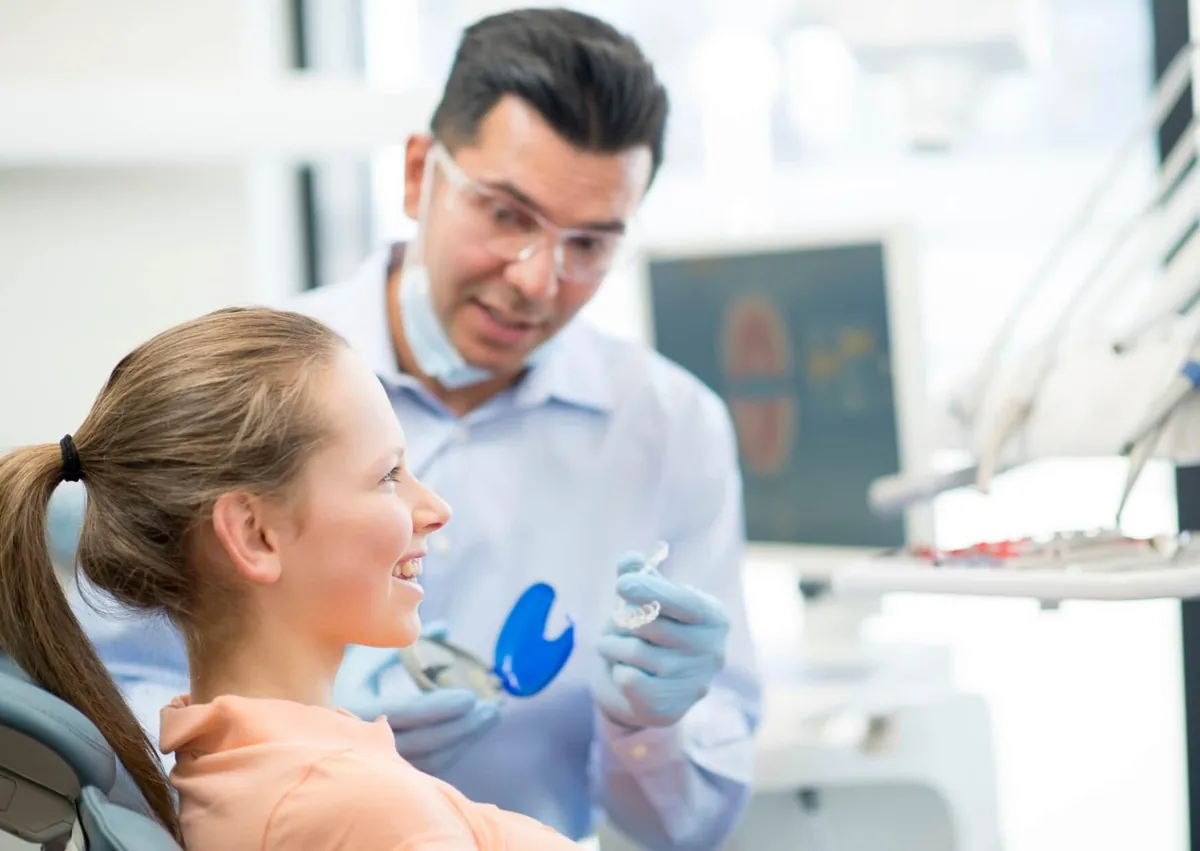
Schedule an evaluation if crowding, spacing, trouble biting, jaw discomfort, or tooth position is causing concern. Early guidance can help you understand whether braces, aligners, or another approach makes sense.
Seek prompt dental or orthodontic care for worsening pain, facial swelling, fever, dental injury, signs of infection, or an appliance that interferes with normal function. Trouble breathing or swallowing is an emergency and needs immediate care.
A dedicated consultation will provide a tailored cost estimate and clarify whether Invisalign is the best option for your teeth and lifestyle. NK Family Dental focuses on Invisalign in Chicago, IL and Logan Square; call (773) 249-4700 to schedule an appointment.
Not always. Cost usually depends more on case complexity, appliance type, treatment length, and insurance coverage than on age alone.
Some plans cover part of orthodontic treatment, often up to a lifetime maximum. Check age limits, waiting periods, network rules, deductibles, and whether treatment already in progress is excluded.
Some offices offer free consultations, while others charge for the exam or records. Ask what is included and whether that fee is credited toward treatment.
They often are, but not always. Confirm how many retainers are included, how long follow-up lasts, and what replacement retainers cost.
Usually not. A clinician typically needs to examine the teeth, bite, gums, and supporting bone before recommending treatment and giving a dependable written estimate.
Please confirm you're not a robot to proceed to the secure payment page.