Most canker sores last 7 to 14 days and heal on their own without scarring. Pain is often worst in the first few days, then gradually improves, but a sore that lasts longer than two weeks, keeps coming back, or makes eating and drinking hard should be checked by a dentist or other health care professional.
If a canker sore is unusually large, painful, or not healing within two weeks, a dental evaluation can identify the cause and start appropriate treatment. NK Family Dental in Chicago, IL can assess sores, recommend targeted care through general dentistry, and help relieve symptoms so your mouth returns to comfortable function.
Canker sores, also called aphthous ulcers, are shallow sores that form inside the mouth. How long canker sores last depends mostly on the type, size, and depth of the ulcer.
Type | Typical Features | Expected Duration |
|---|---|---|
Minor | Small, round or oval sore | About 7 to 14 days |
Major | Larger, deeper, and more painful | Several weeks and may scar |
Herpetiform | Clusters of many tiny sores that may merge | About 1 to 3 weeks |
Minor canker sores are the most common. Despite the name, herpetiform canker sores are not caused by the herpes virus.
A canker sore may start with tingling, burning, or tenderness before you can see it. It usually becomes a round or oval ulcer with a white, yellow, or gray center and a red border.
These sores often appear on the inside of the lips or cheeks, under the tongue, on the soft palate, or near the base of the gums. Pain is usually strongest during the first few days, especially with spicy, acidic, salty, or crunchy foods.
Canker sores are not contagious. This common misconception is covered in our dental health myths.
Unlike cold sores, canker sores happen inside the mouth and are not caused by herpes simplex virus. As they heal, the sore should slowly get smaller and less tender.
The exact cause is not always clear. Canker sores can develop after cheek biting, dental work, irritation from braces, stress, illness, or sensitivity to certain foods or oral care products.
Some sores take longer to heal because the area keeps getting rubbed or injured. A sharp tooth, rough filling, or poorly fitting dental appliance can keep irritating the tissue and delay recovery.
Frequent or slow-healing sores may also be linked to low iron, folate, vitamin B12, or zinc. Less often, recurring sores can happen with immune, gastrointestinal, or inflammatory conditions.
Most canker sores do not need a procedure. Supportive care can reduce pain and help the area heal with less irritation.
A dentist may recommend a topical corticosteroid or another prescription treatment for severe, large, or recurring sores. These treatments often work best when started early.
Occasional canker sores are common. If they happen often, it helps to track possible triggers such as foods, stress, mouth injuries, or oral care products.
Orthodontic wax may help if braces are rubbing the area. Sharp teeth, damaged restorations, or poorly fitting appliances should be evaluated so the tissue can heal normally.
A balanced diet and gentle oral hygiene also support healthy mouth tissues. Regular complete checkups can help identify oral irritation, monitor recurring sores, and reduce future episodes.
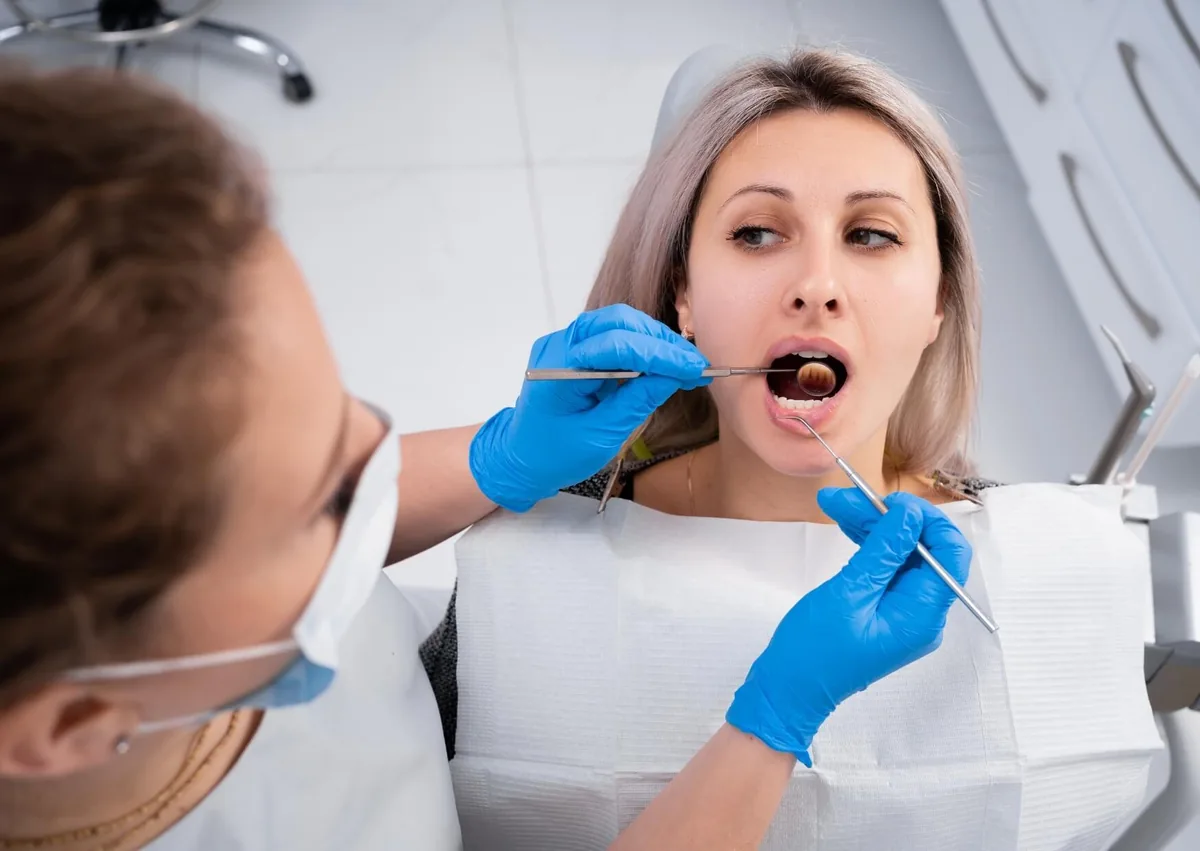
Arrange an evaluation if a sore has not healed within two weeks, is unusually large or deep, is getting worse, or keeps returning. You should also seek care for severe pain, multiple sores, fever, rash, diarrhea, swollen lymph nodes, weight loss, or symptoms elsewhere in the body.
Seek urgent care right away for trouble breathing or swallowing, major swelling, signs of dehydration, or an inability to drink enough fluids.
For severe pain, signs of infection, or a sore that makes eating or drinking impossible, an urgent visit to emergency dentistry may be needed to manage pain and prevent complications. If you're unsure whether symptoms require immediate attention, read our guide to dental emergencies.
A dental exam through general dentistry can identify local irritation and help determine whether a persistent or unusual sore needs treatment, testing, or referral. General patient guidance on when to seek medical care for mouth sores also supports prompt evaluation when symptoms are severe or prolonged.
For persistent or severe mouth sores, arrange a dental assessment to determine treatment and prevent complications; you can call to request same-day help. Contact NK Family Dental for general dentistry in Chicago, IL at (773) 249-4700 to schedule an appointment.
Pain may improve within three days, but the sore itself usually takes 7 to 14 days to go away. Very small sores can sometimes heal sooner.
Repeated rubbing, a larger ulcer, a nutritional deficiency, illness, or another type of mouth lesion can slow healing. A sore still present after two weeks should be examined instead of assumed to be a routine canker sore.
No. Canker sores do not spread through kissing, shared utensils, or other contact, although other mouth sores can be contagious.
No. A canker sore is an ulcer, not a fluid-filled blister, so trying to pop it can injure the tissue, increase pain, and delay healing.
Please confirm you're not a robot to proceed to the secure payment page.