The best way to prevent cavities is to brush twice a day with fluoride toothpaste, clean between your teeth daily, limit frequent sugar and starch exposure, and keep up with regular dental care. These steps lower plaque buildup, reduce acid attacks, and help fluoride strengthen enamel before early damage turns into a permanent hole.
If you're trying to prevent cavities or concerned about early enamel changes, a complete checkup can identify risks and recommend personal prevention. NK Family Dental in Chicago, IL reviews your history, risk factors, and treatment options to help you keep teeth healthy.
Cavities form when plaque bacteria feed on sugars and starches from food and drinks. As they break these down, they produce acids that pull minerals out of enamel, the hard outer layer of the tooth.
Saliva helps by neutralizing acid and returning some minerals to enamel. But when you snack often or sip sweetened or acidic drinks throughout the day, teeth face repeated acid attacks and have less time to recover.
Early decay may show up as a chalky white spot. At that stage, fluoride and better plaque control may stop or reverse the damage, but once a hole forms, the tooth usually needs treatment; if you want to know more about timing, read how long for a cavity to form.
Brush for two minutes twice a day with a soft-bristled toothbrush and fluoride toothpaste. If you want more detail on technique, learn how to remove plaque from teeth.
Clean all tooth surfaces, especially near the gumline. After brushing, spit without rinsing so fluoride stays on the teeth longer.
Clean between teeth once a day with floss, an interdental brush, or another tool recommended by a dental professional. These tight spaces are common places for cavities because toothbrush bristles do not fully reach them.
Replace a worn toothbrush or brush head about every three to four months, or sooner if the bristles fray. Electric toothbrushes can help some people, but consistent use and good technique matter more than whether the brush is manual or powered.
How often your teeth are exposed to sugar matters as much as how much sugar you eat. Try to have sweet foods and drinks with meals instead of grazing or sipping on them all day.
Choose plain water between meals when possible. Soda, sports drinks, sweetened coffee, juice, candy, crackers, and sticky dried fruit can all raise cavity risk when used often.
Unsweetened dairy products, vegetables, nuts, and other minimally processed foods are generally easier on teeth. Acidic drinks can also soften enamel, even when they are sugar-free, so rinse with water afterward and wait before brushing.
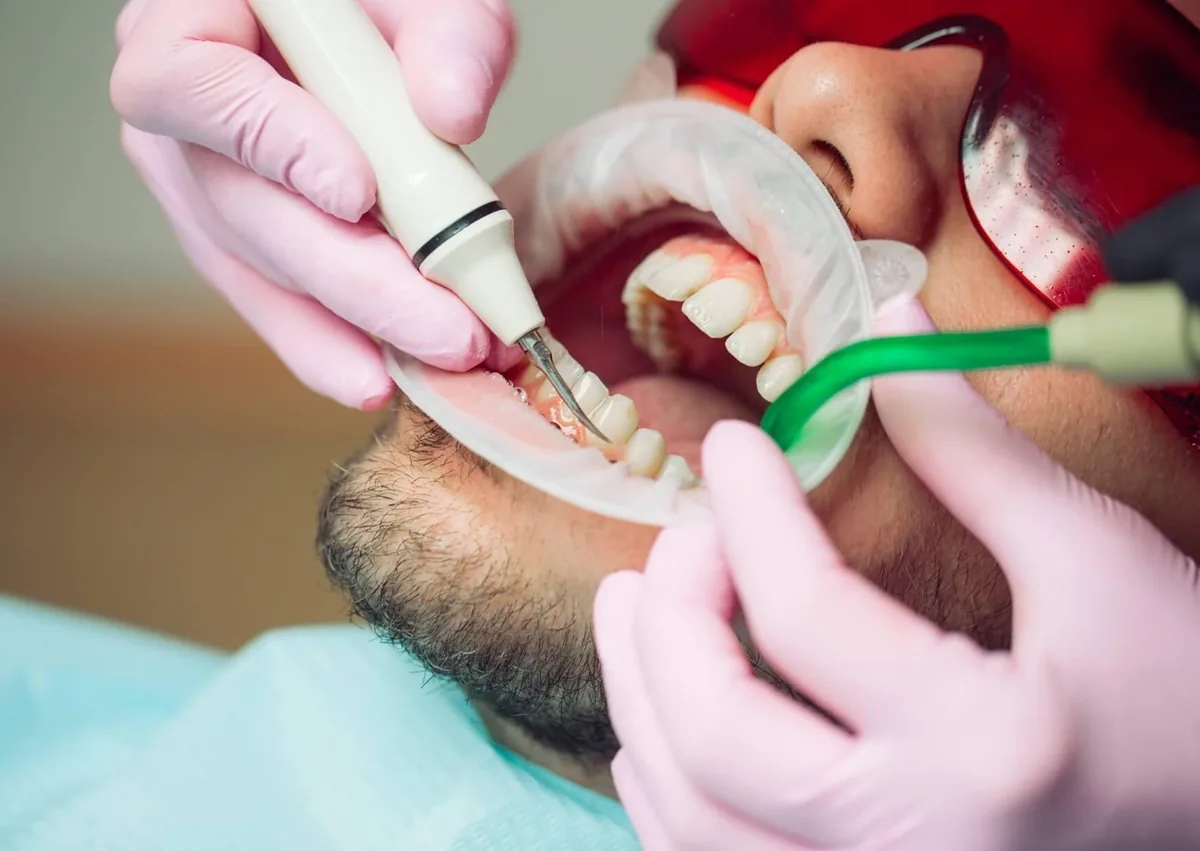
Fluoride helps enamel resist acid and supports early repair after mineral loss. Most people benefit from fluoride toothpaste, while some may also need professional fluoride treatments or prescription-strength products.
Dental sealants are thin coatings placed in the deep grooves of back teeth. They are often used for children and teens, but adults with cavity-prone molars may benefit too.
Preventive Measure | Main Benefit | Typical Use |
|---|---|---|
Fluoride toothpaste | Strengthens enamel and supports early repair | Twice-daily brushing |
Professional fluoride | Provides more concentrated protection | Based on individual cavity risk |
dental sealants | Blocks plaque and food from deep grooves | Often used on permanent molars |
Professional cleaning and exam | Removes hardened deposits and identifies early problems | At intervals recommended by a dentist |
Some people have a higher cavity risk even when they brush well. Dry mouth is a common reason because saliva helps wash away food, control acid, and return minerals to teeth.
Dry mouth may be linked to medications, dehydration, health conditions, or head and neck radiation. If it persists, talk with a dentist or physician instead of relying on sugary lozenges or frequent sipping of sweet drinks.
Other risk factors include braces, exposed roots, deep grooves, crowded teeth, and a history of repeated cavities. Young children and older adults may also need help with daily cleaning.
For babies and young children, start cleaning the teeth when the first tooth appears and arrange dental care by the first birthday, or as advised by pediatric dentistry. Parents can also learn more about when to take a child to the dentist.
Avoid putting a child to bed with a bottle of milk, formula, juice, or another sweetened drink. Long contact with sugar can cause rapid early childhood decay.
Early cavities often do not hurt. That is why exams and appropriate X-rays are important for finding decay before it becomes larger or more painful.
Possible warning signs include sensitivity to sweet, cold, or hot foods, toothache, pain when biting, visible pits, discoloration, or food catching in the same spot. These symptoms do not always mean a cavity, but they should not be ignored.
Schedule a dental visit if symptoms are persistent, worsening, or hard to explain. A dentist can tell whether the problem is decay, a cracked tooth, gum recession, or something else.
Get prompt care for severe tooth pain, swelling of the gums or face, fever, pus, a bad taste with swelling, or trouble opening the mouth. Trouble breathing or swallowing, rapidly spreading swelling, or swelling near the eye needs emergency care.
Preventive needs vary from person to person, especially if you have dry mouth, exposed roots, braces, or a history of cavities. Your general dentistry provider can recommend the right visit schedule and prevention plan.
A focused complete checkup visit is the best next step to assess risk, get personalized prevention, and address early enamel changes before they worsen. Call NK Family Dental in Chicago, IL at (773) 249-4700 or book online to schedule your appointment.
No. Brushing cannot replace tooth structure after a true hole has formed, though it can reduce plaque and, along with fluoride, may help stop very early damage before the enamel surface breaks; learn more about whether can a cavity heal itself.
Yes, cleaning between teeth is important because a toothbrush cannot fully reach those surfaces. Floss works well for many people, while interdental brushes, water flossers, or other tools may be easier in some situations.
They may be safer than sugary drinks in one way, but many are still acidic and can soften enamel. Plain fluoridated water is usually the most tooth-friendly choice between meals.
The right schedule depends on your cavity risk, age, gum health, and medical history. If you are unsure what interval makes sense for you, ask your dentist and read more about when to visit your dentist.
Yes. Cavities can still happen because of frequent sugar exposure, dry mouth, deep grooves, crowded teeth, exposed roots, or not getting enough fluoride, although good daily cleaning lowers the risk.
Please confirm you're not a robot to proceed to the secure payment page.