If you're wondering how much a retainer costs, most people pay about $100 to $500 per appliance, though some retainers cost less or more. The final price depends on the type of retainer, whether you need an upper, lower, or both, and whether the fee includes the exam, scan, fitting, or follow-up adjustments.
If you're deciding whether to replace, adjust, or evaluate a retainer after braces or clear aligners, a targeted orthodontics evaluation can clarify what you need and why. NK Family Dental in Chicago, IL can assess fit, recommend the most cost-effective option, and explain potential follow-up care.
Retainers keep teeth in position after braces or clear aligners such as Invisalign. If you're comparing full treatment expenses, see our cost of braces.
Removable retainers are usually priced per arch. Permanent retainers are often priced by the arch and the teeth involved.
Retainer Type | Typical U.S. Cost | Key Considerations |
|---|---|---|
Clear plastic retainer | $100 to $300 per arch | Discreet, but may crack, warp, or wear out |
Hawley retainer | $150 to $500 per arch | Durable acrylic-and-wire design that can often be adjusted |
Permanent bonded retainer | $250 to $600 per arch | Fixed behind the teeth and requires careful cleaning |
These are general self-pay ranges, not guaranteed fees. Some orthodontic treatment plans include the first set of retainers, while others charge separately.
A retainer quote may include only the appliance, or it may also include the exam, digital scan or impression, fitting, and follow-up visits. Asking for an itemized estimate makes it easier to compare options.
Cost can also rise if your teeth have shifted and the old retainer no longer fits. In that case, you may need a new scan, an adjustment, or limited orthodontic treatment before a new retainer can be made safely.
Some offices can make a replacement from an existing digital model, which may lower the cost. If that model is outdated or unavailable, a new scan is usually needed.
Location and office fees also affect pricing. Mail-order retainers may seem cheaper, but they do not offer the same in-person check of fit, bite, gum health, or tooth movement.
Dental insurance may help cover an initial retainer if it is part of an orthodontic benefit. Replacement retainers are often not covered, especially if the original was lost, damaged, or not worn as instructed.
Check your plan's orthodontic lifetime maximum, deductible, age limits, replacement rules, and network requirements. An estimate of benefits is not a guarantee of payment, so it is smart to confirm expected out-of-pocket costs with both the dental office and your insurer.
You may also be able to use HSA or FSA funds for eligible retainer expenses. Coverage and reimbursement rules vary by plan.
A replacement retainer usually costs about the same as a new one of the same type. Some offices offer package pricing for multiple clear retainers or limited replacement coverage.
That coverage may only apply for a certain time and may exclude loss, pet damage, heat damage, or normal wear. Ask whether the fee includes a remake period or any warranty.
If your retainer is lost, cracked, warped, or no longer fits, contact the orthodontist promptly. Teeth can shift faster than many people expect, and waiting may lead to more treatment and higher costs.
Do not force a tight retainer into place or try to reshape it with hot water. Bring the damaged retainer to the visit if you still have it, since it may help the dentist or orthodontist identify the problem.
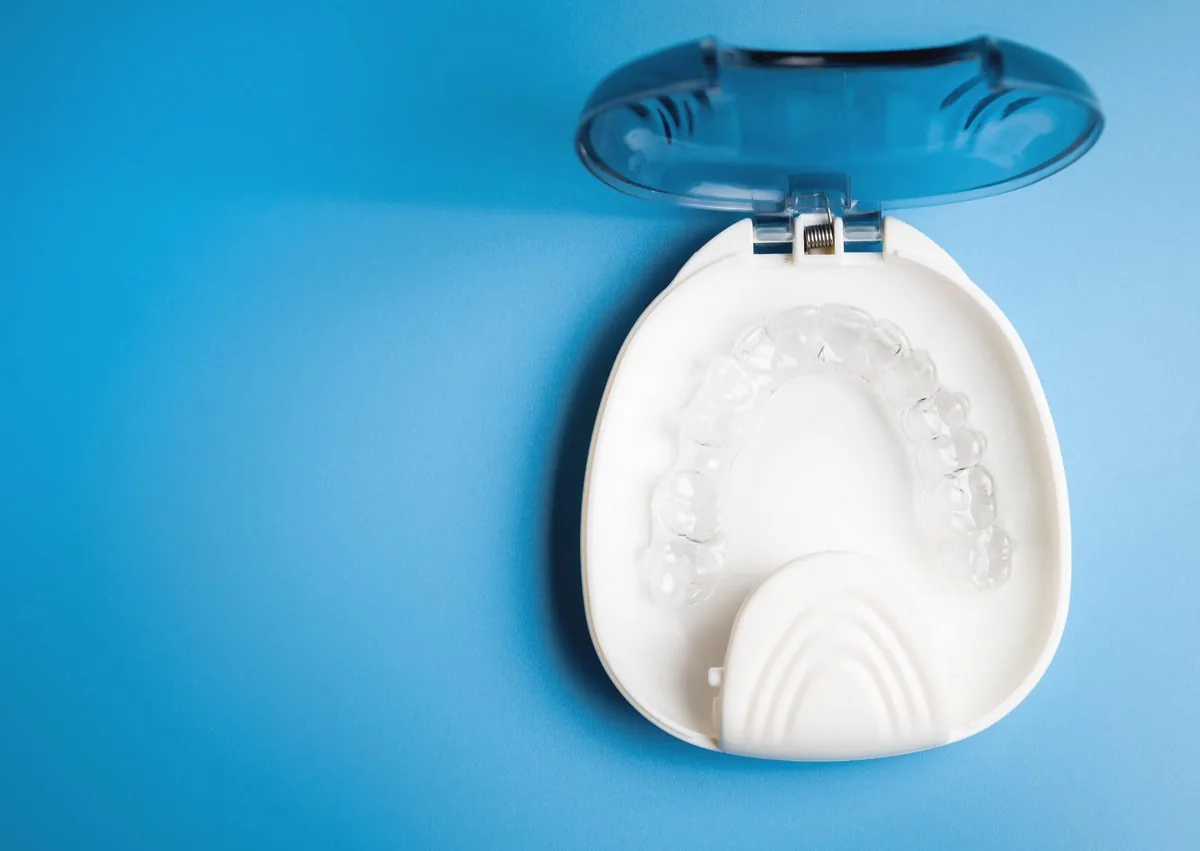
Store a removable retainer in its ventilated case whenever it is not being worn. Keep it away from pets, napkins, pockets, hot cars, dishwashers, and boiling water.
Clean it exactly as directed by your dental professional. Some materials can scratch or break down if you use toothpaste or harsh cleaners.
Bring your retainer to routine general dentistry or orthodontic visits so its fit and condition can be checked. Wearing it on schedule is usually much less expensive than replacing a retainer after teeth have moved.
Schedule a dental or orthodontic visit if your retainer causes ongoing pain, cuts your gums, changes your bite, smells bad despite cleaning, or suddenly feels much tighter or looser. A permanent retainer also needs evaluation if the wire bends, breaks, or comes loose from a tooth.
Seek prompt care for major swelling, pus, fever, facial swelling, significant bleeding, severe pain, or trouble swallowing or breathing. Trouble swallowing or breathing needs emergency care and may signal an orthodontic emergency.
A properly fitted retainer should help maintain alignment without causing ongoing injury or severe discomfort. A dentist or orthodontist can confirm whether you need an adjustment, repair, or replacement and give you a written estimate.
For a quick evaluation of retainer fit, replacement options, or repair needs, book an orthodontics visit so a clinician can provide a clear estimate and next steps. NK Family Dental's orthodontics team in Chicago, IL can help, call (773) 249-4700 or book online to get care promptly.
A removable upper-and-lower set often costs about $200 to $1,000, depending on the material and office fees. Always confirm whether the quote is for one arch, both arches, or multiple sets.
There is no fixed replacement schedule. Clear retainers may wear out sooner, while Hawley and bonded retainers can last for years if they stay intact, clean, and well fitted.
Sometimes a slightly snug retainer can still be used, but one that will not seat fully or causes significant pain should not be forced. A dentist or orthodontist should check how much movement has occurred before you keep wearing it.
They can be cost-effective if they stay bonded and are kept clean. However, repairs and replacements can add cost, and they need careful brushing, flossing, and professional monitoring.
Please confirm you're not a robot to proceed to the secure payment page.