Oral thrush is a yeast infection in the mouth that often causes white patches, redness, soreness, or a cottony feeling. It is usually treatable with antifungal medication, but it should be checked by a dentist or medical clinician because other mouth conditions can look similar.
If recurring mouth patches, soreness, or a burning taste have you worried about oral thrush, a visit for general dentistry can help confirm the cause and point you toward the right treatment. NK Family Dental in Chicago, IL provides focused oral exams and practical guidance to help relieve symptoms and reduce the chance of it coming back.
Oral thrush, also called oral candidiasis, happens when Candida yeast grows too much in the mouth. Candida can normally live in the mouth without causing problems, but changes in the mouth or immune system may let it multiply; related factors can also affect stress and oral health.
Common signs include white or cream-colored patches on the tongue, inner cheeks, gums, roof of the mouth, or throat; this can overlap with other findings discussed in what your tongue reveals. These patches may wipe away and leave a red, tender area that can bleed a little.
Some people also notice burning, a bad or altered taste, cracks at the corners of the mouth, or discomfort when eating. Denture wearers may have redness and soreness under the denture even without obvious white patches.
White patches that do not wipe away are not always thrush. Leukoplakia, irritation, inflammatory conditions, and other oral diseases can look similar, so persistent changes should be examined.
Thrush is more likely when the normal balance of microorganisms in the mouth changes or the body's defenses are lowered. Common contributing factors include:
Thrush is not usually considered contagious in healthy adults through normal contact. Candida can pass between people, but exposure alone typically does not cause infection unless other risk factors are present.
A dentist or medical clinician can often diagnose thrush by examining the mouth and reviewing symptoms, medications, and health history. A visit for general dentistry can help confirm the diagnosis and start appropriate care.
If the appearance is unclear or treatment does not help, more testing or a referral may be needed to rule out another condition. That is especially important when patches do not wipe away or symptoms keep returning.
Treatment usually involves a prescription antifungal medicine used in the mouth or taken by mouth. The exact medication and treatment length depend on age, overall health, severity, and whether the infection extends beyond the mouth.
Symptoms often start improving within a few days of proper treatment, though full clearing can take longer. Finish the medication exactly as prescribed, even if the mouth feels better sooner.
Do not scrape the patches or rely on home remedies instead of an evaluation. Recurrent thrush can be a sign of dry mouth, medication effects, poorly controlled diabetes, denture-related irritation, or reduced immune function.
Brush twice a day with fluoride toothpaste, clean between the teeth, and keep removable dentures clean. Remove dentures at night unless a dental professional has told you otherwise.
If you use an inhaled corticosteroid, rinse the mouth with water and spit after each use. A clinician or pharmacist can also review inhaler technique and whether a spacer may help.
Manage dry mouth and chronic health conditions with the right healthcare professional. Drinking water regularly and avoiding smoking or vaping can also help lower risk.
Do not use leftover antifungal medication for new mouth symptoms. Similar-looking conditions may need different treatment.
If removable dentures contribute to repeated thrush or ongoing irritation, ask whether dental implants may be a suitable tooth-replacement option. In some cases, that can reduce denture-related tissue problems.
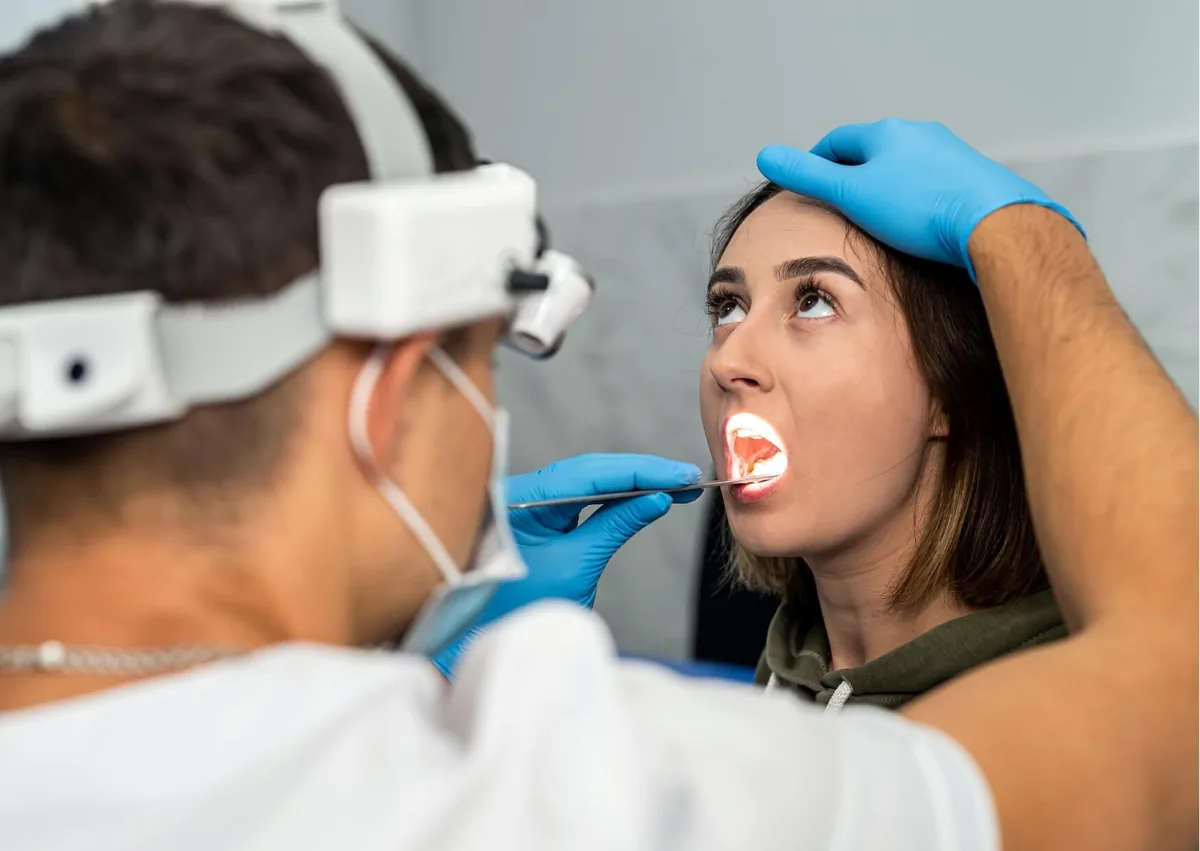
Arrange an evaluation if mouth patches, redness, burning, or soreness last more than a few days, get worse, come back, or make eating uncomfortable. Prompt assessment matters even more for infants, older adults, denture wearers, people with diabetes, and anyone receiving cancer treatment or taking immune-suppressing medication.
Seek urgent medical care for difficulty breathing, trouble swallowing, dehydration, severe throat pain, or rapidly worsening swelling. People with a weakened immune system should contact their healthcare team promptly if thrush is suspected, even when symptoms seem mild.
Persistent or recurring oral changes are worth professional attention instead of repeated self-treatment. A dentist can assess the tissues, identify dental factors that may be contributing, and coordinate medical follow-up when needed.
If patches, soreness, or recurring infection persist, the next step is a dental evaluation to assess tissues, check denture fit, and coordinate appropriate antifungal care. Contact NK Family Dental for general dentistry in Chicago, IL and Logan Square to schedule an appointment or call (773) 249-4700.
It can be. Some people have little or no discomfort, while others notice burning, tenderness, altered taste, or pain when eating or swallowing.
A mild case may improve if the trigger goes away, but persistent or uncomfortable symptoms should still be checked. Treatment can help clear the infection faster and address reasons it may return.
Standard cosmetic or antiseptic mouthwash is not a substitute for prescription antifungal treatment. Some products may also irritate a sore or dry mouth.
Dentures do not directly cause thrush, but yeast can collect on them and irritate the tissue underneath. Good cleaning, nighttime removal, and correcting a poor fit can lower the chance of recurrence.
Recurring thrush may be linked to dentures, dry mouth, inhaled corticosteroids, recent antibiotics, diabetes, or reduced immune function. A clinician can confirm that it is truly thrush and help identify the reason it keeps returning.
Please confirm you're not a robot to proceed to the secure payment page.